


Apple Scab Awareness and Prevention: Protecting Your Ornamental Trees
How to Prevent Apple Scab Disease in Kane County, IL
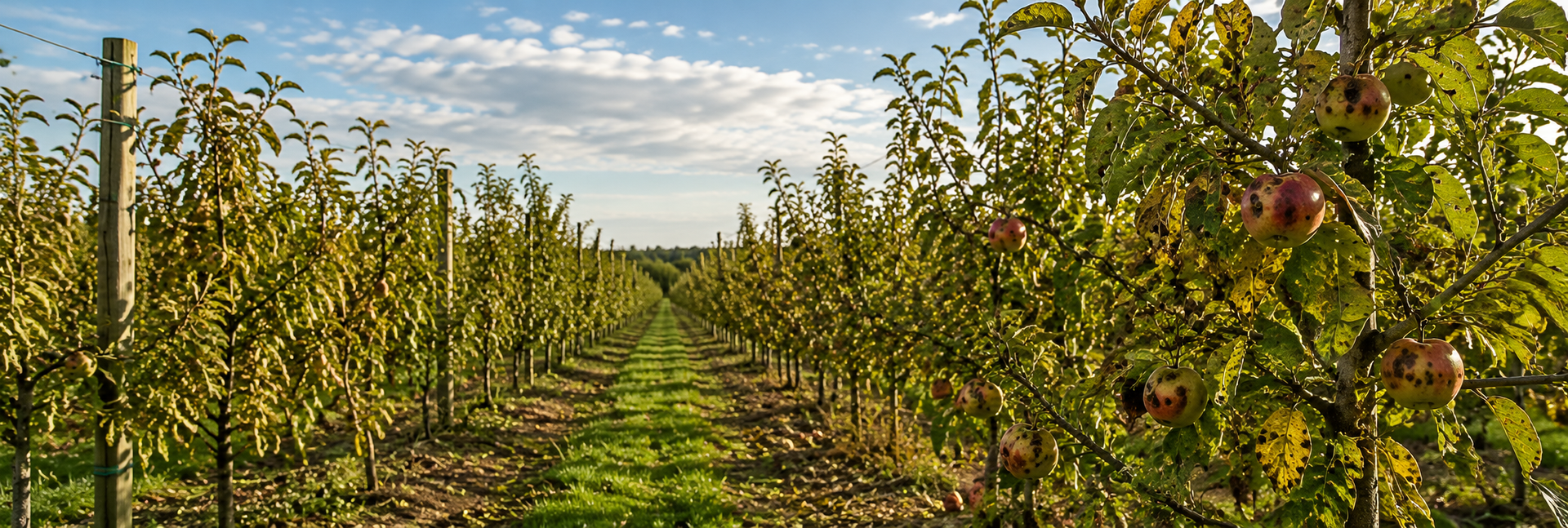
Apple Scab is one of the most common fungal diseases affecting ornamental crabapple trees and other members of the apple family throughout Northern Illinois. While rarely fatal, untreated Apple Scab can significantly reduce the beauty and long-term health of your landscape.
Understanding the signs early is the best way to protect your trees.
What Is Apple Scab?
Apple Scab is a fungal disease caused by
Venturia inaequalis. The disease thrives during cool, wet spring weather before symptoms become more noticeable throughout late spring and summer.
Signs of Apple Scab
Common symptoms include:
- Olive-green or dark brown spots on leaves
- Yellowing foliage
- Premature leaf drop
- Black spots on fruit
- Reduced flowering the following season
Severe infections can weaken trees over time by reducing their ability to produce energy through healthy leaves.
Why Early Treatment Matters
Once Apple Scab becomes widespread, apple scab treatment becomes much more difficult. Early monitoring and preventative applications are the most effective methods of reducing disease pressure.
Good cultural practices such as proper pruning, improving airflow through the canopy, and removing infected leaves also help minimize future outbreaks.
Can Apple Scab Be Prevented?
Yes. Preventative Plant Health Care programs can significantly reduce the severity of Apple Scab by combining proper tree care with disease monitoring and targeted treatments when appropriate.
Regular inspections also allow arborists to identify other issues before they become larger problems.
Protect Your Landscape This Season
If you've noticed leaf spots, premature leaf drop, or declining ornamental trees, Skyline Tree Service can help.
Our experienced arborists provide professional Plant Health Care programs designed to diagnose tree diseases, recommend effective treatment options, and help homeowners protect the long-term beauty of their landscapes throughout Kane County and the Fox Valley.
All Blog Posts