



Tree Service Knowledge Center
Helpful Articles Written By Our Arborist!
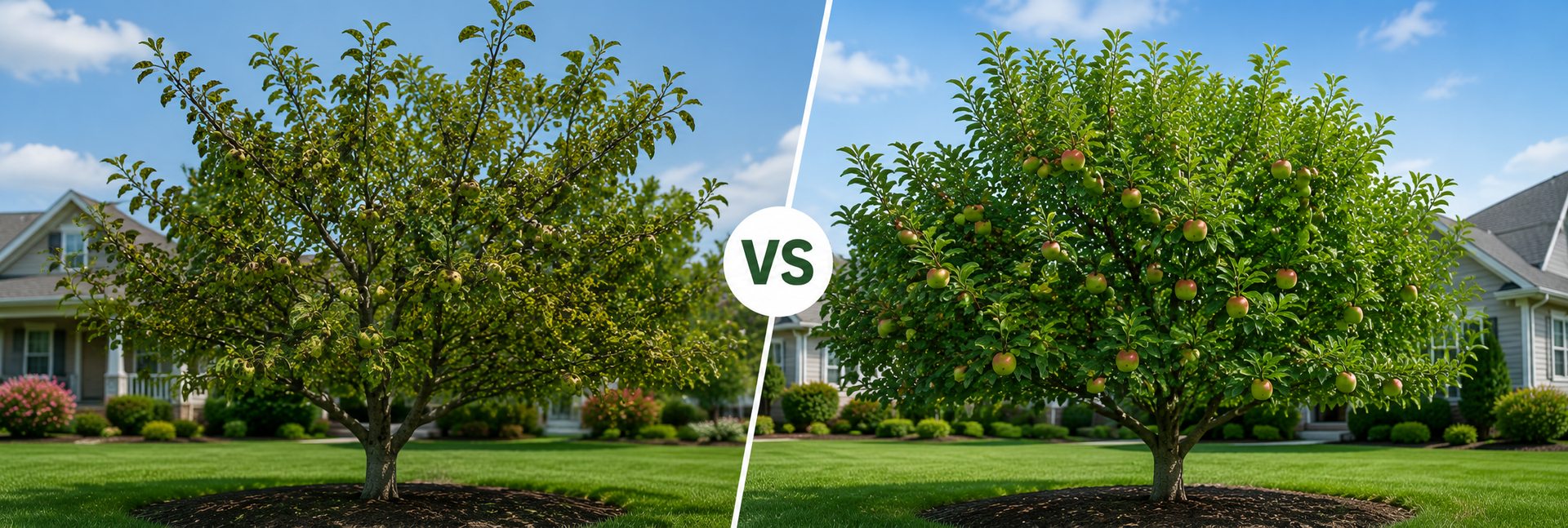
How to Prevent Apple Scab Disease in Kane County, IL

Here are a few of the most common trees we see throughout Kane County and how homeowners can help them thrive.
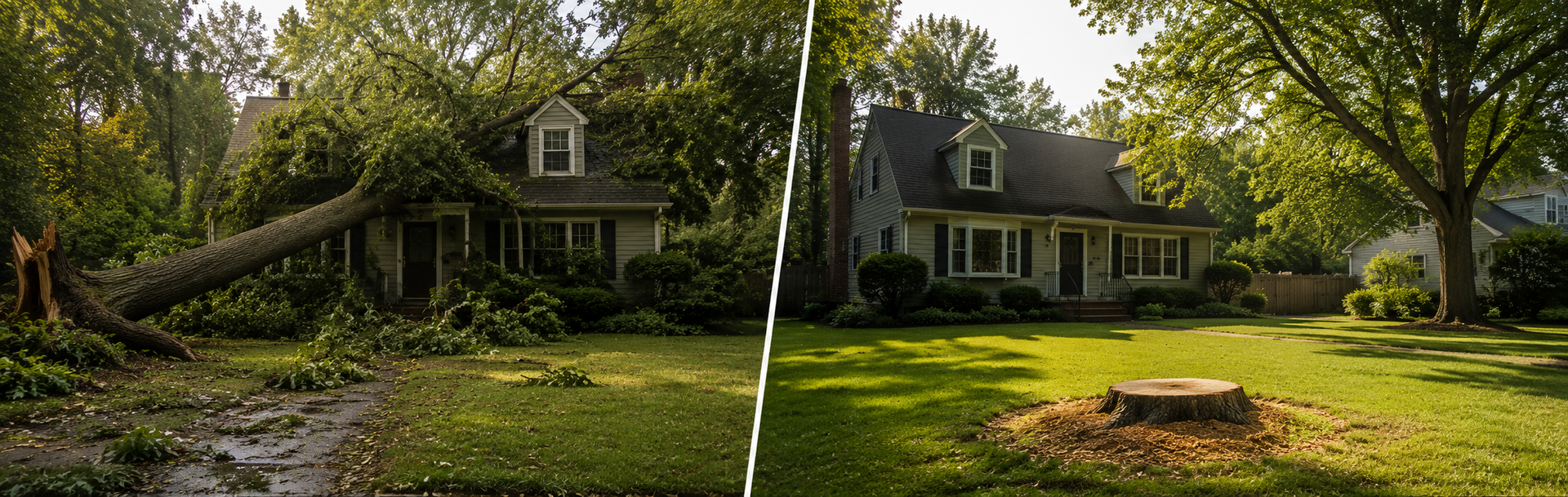
Taking a proactive approach to tree care during the summer can help protect your home, family, and landscape while reducing the likelihood of costly storm damage.

Discover what it's like to work at Skyline Tree Service in Kane County. Learn about our team, culture, career growth, and apply for arborist jobs today.
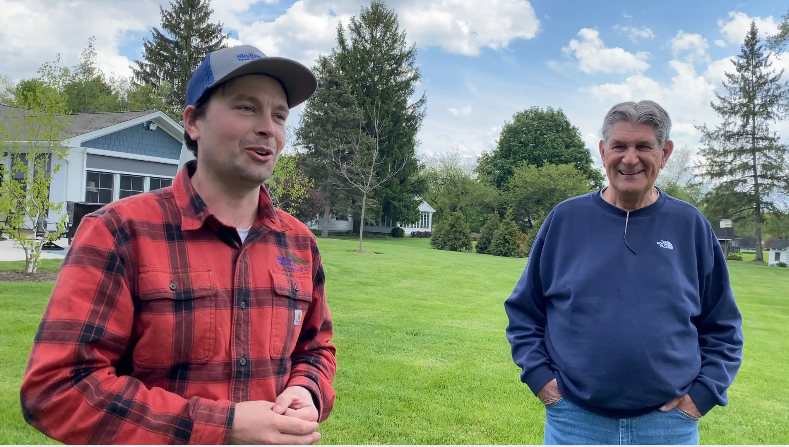
Learn the difference between hiring a local family tree care company versus a national chain and why experience, relationships, and accountability matter.
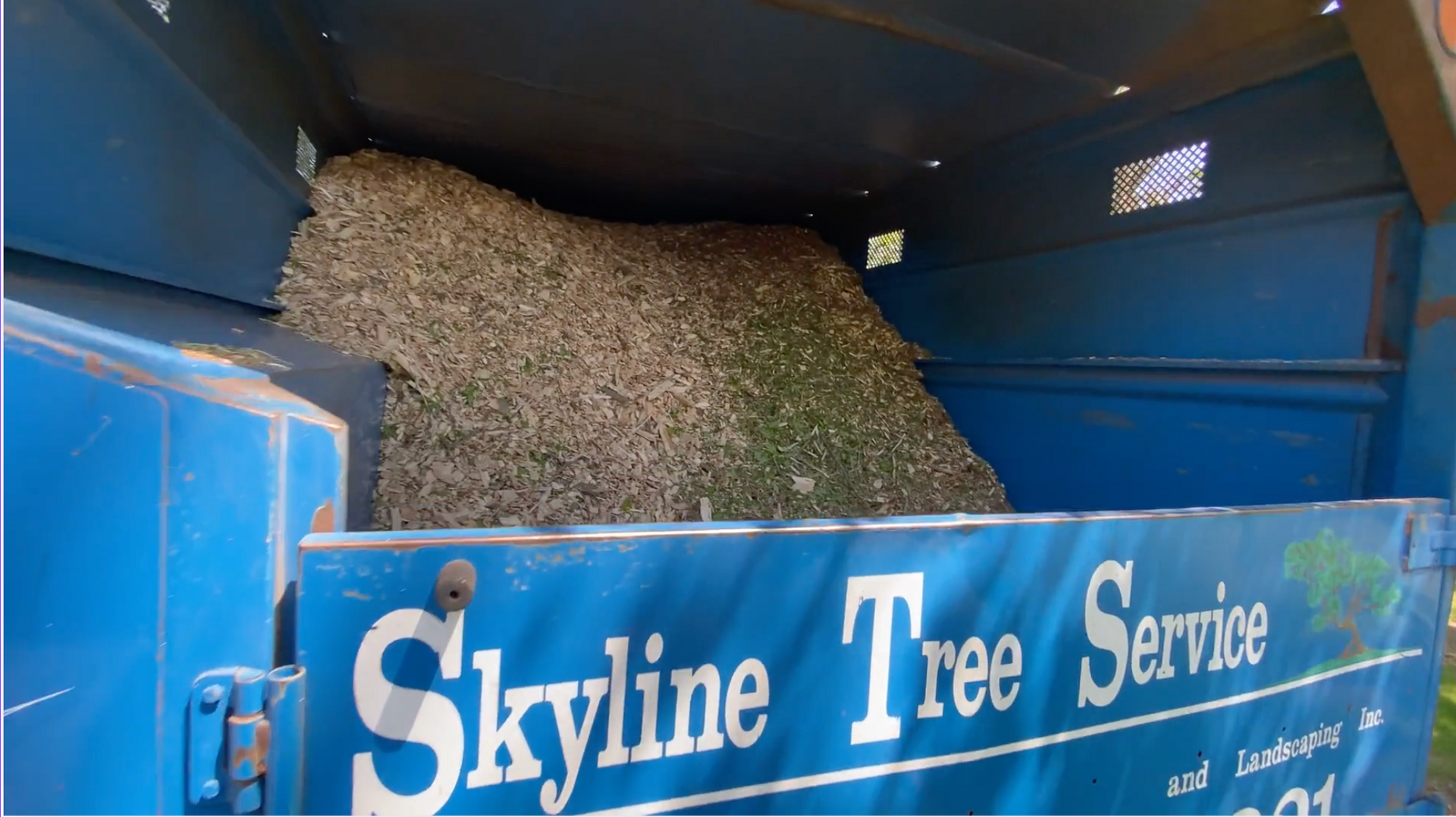
Skyline Tree Service can give you the wood chips or we can haul them away! The choice is yours!
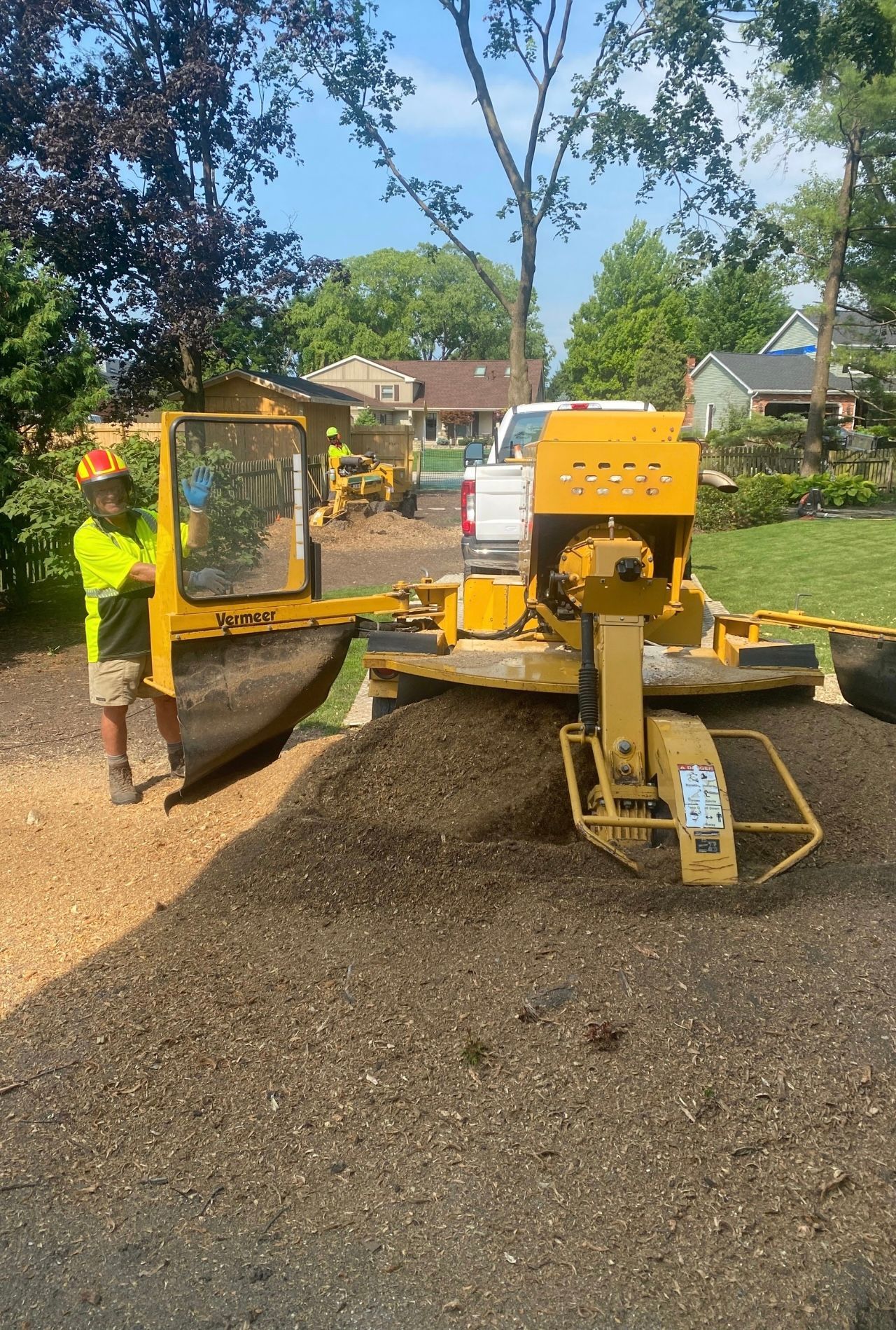
Learn about how stump grinding works and the machinery that goes into making the projects go by fast!
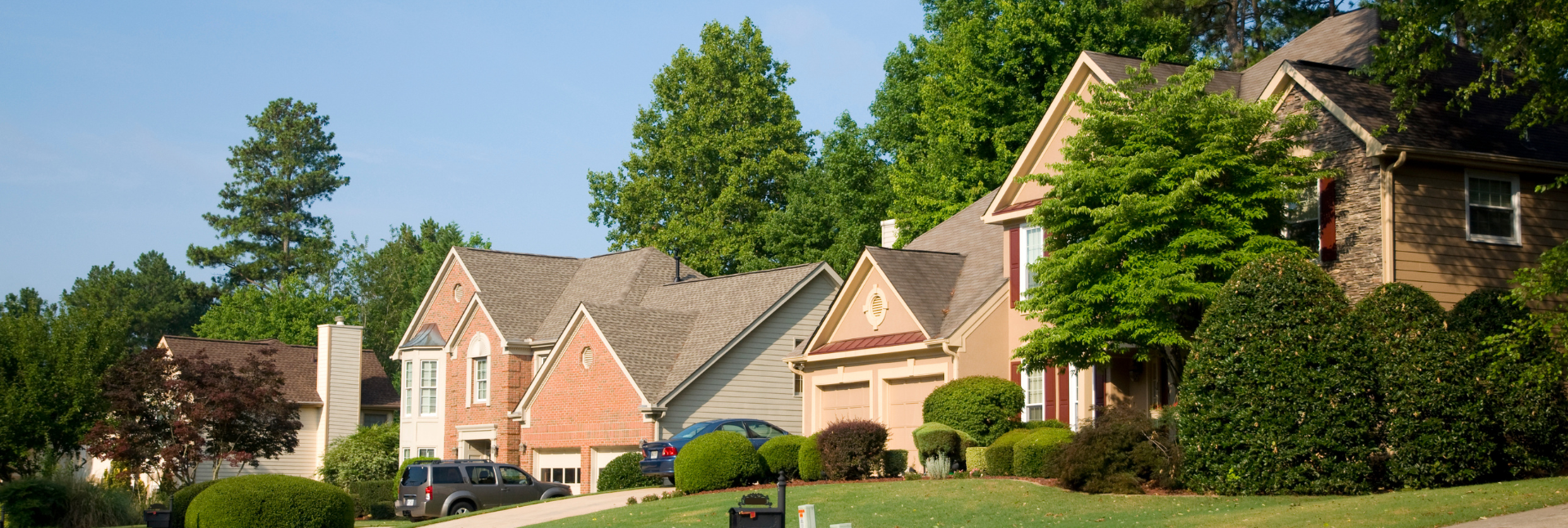
How much does tree service cost in Illinois? Learn what impacts pricing and how to budget for tree removal, trimming, and plant healthcare.
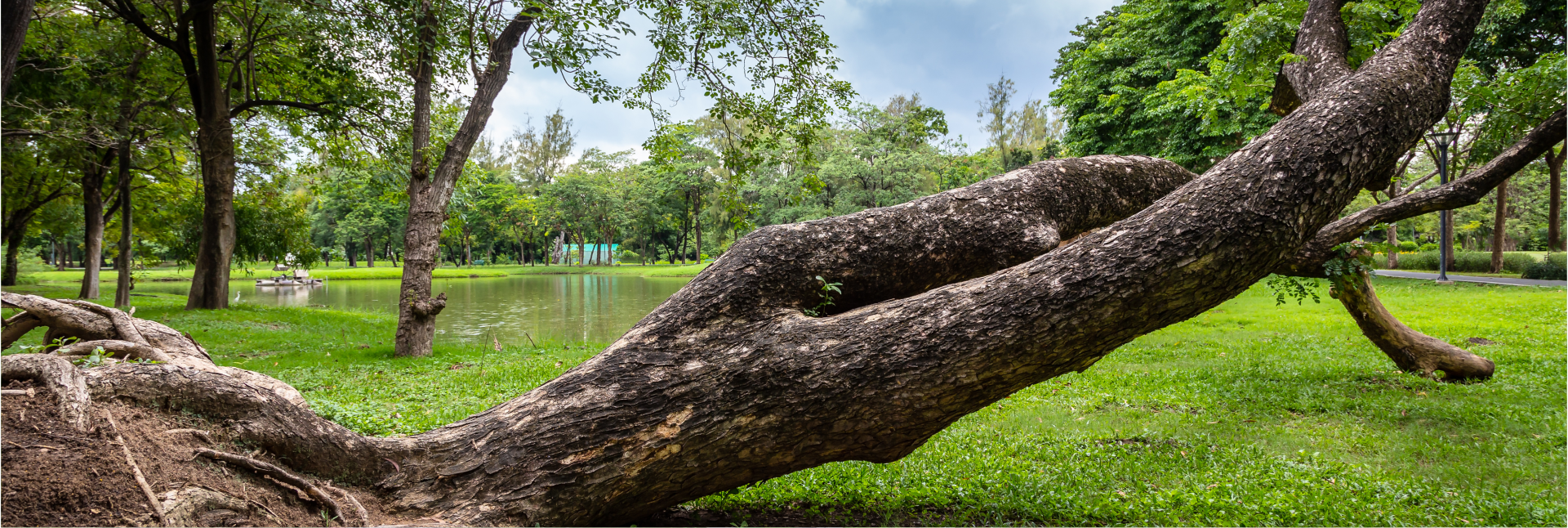
Worried about a dangerous tree? Learn 5 warning signs before storm season and when to consider professional tree removal in Illinois.

Learn when to trim, remove, and treat trees this spring in Illinois. Expert tips from Skyline Tree Service to protect your property.
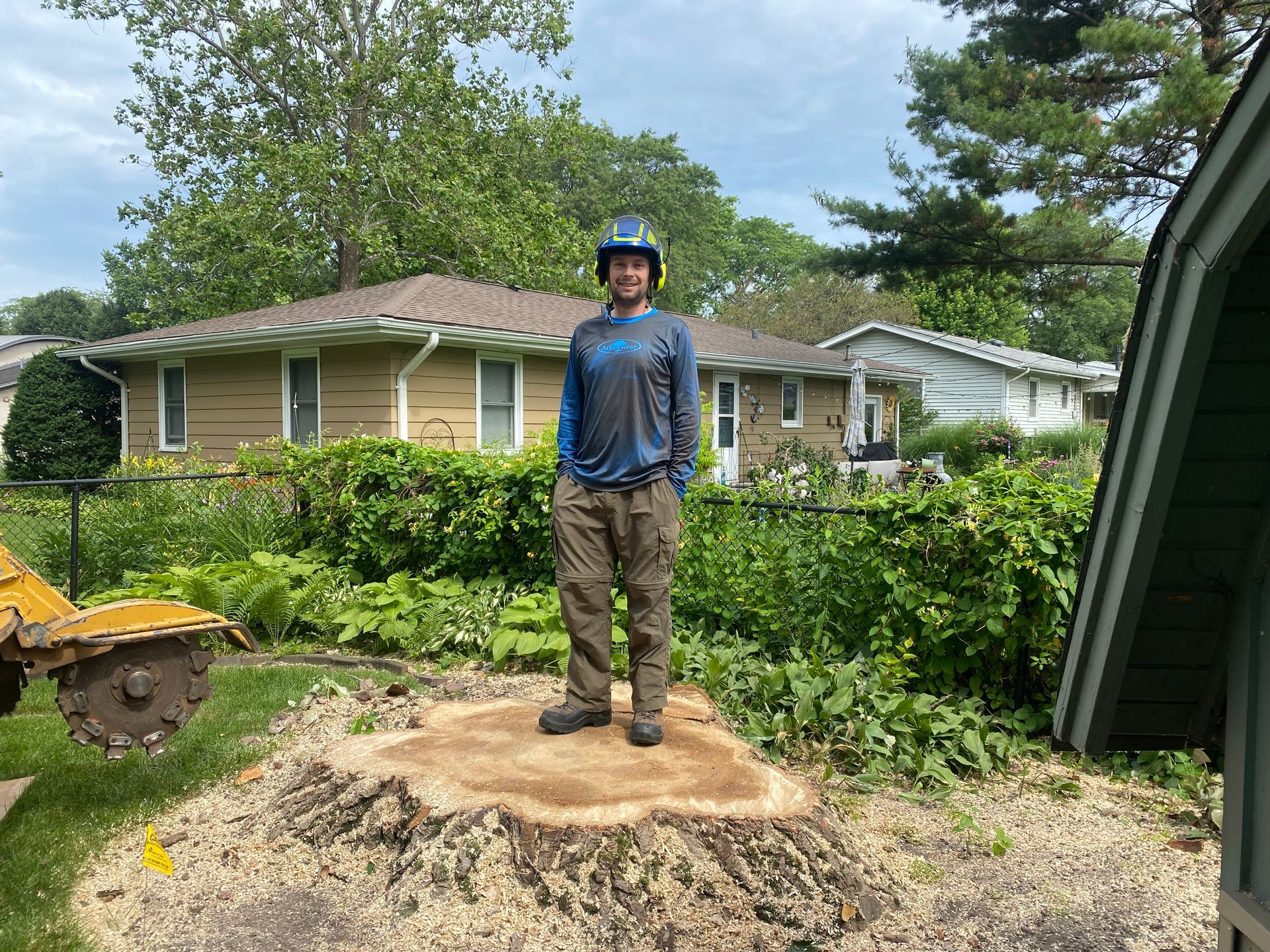
If you’ve been researching tree care services, you may have noticed that many companies offer free estimates. So why does Skyline Tree Service charge for consultations? The answer lies in the difference between a consultative sales arborist and a consulting arborist. At Skyline Tree Service, we don’t just sell tree services—we provide expert advice based on science, experience, and industry-leading credentials. When you schedule a consultation with us, you’re paying for professional expertise, not a sales pitch. The Difference Between a Free Estimate and a Paid Consultation Many tree care companies provide free estimates because their goal is to sell a service. Whether it’s pruning, removal, or treatment, their business model is based on closing a sale, which means the assessment is often biased toward recommending work—whether it’s necessary or not. On the other hand, a paid consultation is for homeowners who aren’t sure what their trees need and want expert guidance on the best course of action. This is where we come in. At Skyline Tree Service, we charge $150 for a 30-45 minute site evaluation because you are receiving professional, unbiased recommendations from a highly qualified expert, Andrew. Our goal is not to sell you a service—it’s to provide the best advice for your trees. Sometimes, that advice may be to take action, but in other cases, the best thing for the tree is to leave it alone. Unlike companies that only profit from selling work, we ensure you get an honest assessment—whether it leads to a service or not. The Value of Hiring a Qualified Arborist When you pay for a consultation, you’re not just hiring any tree service provider—you’re hiring someone with extensive education, training, and certifications in tree care. As the owners son and lead arborist at Skyline Tree Service, I bring: ✅ A degree in Urban Forestry from Southern Illinois University ✅ ISA Certified Arborist (IL-9499A) ✅ Tree Risk Assessment Qualification (TRAQ) ✅ Certified Treecare Safety Professional (CTSP) ✅ Expertise in tree appraisal and long-term tree health strategies This level of knowledge allows me to assess your trees from a scientific and safety-based perspective, not just from a sales standpoint. I take into account factors like species, health, structural integrity, root issues, soil conditions, and long-term tree care strategies—things that an unqualified estimator may overlook. Why Paying for a Consultation Saves You Money It may seem counterintuitive to pay for advice when other companies offer free assessments. However, hiring an expert can actually save you money in the long run. Here’s how: 1️⃣ Avoid Unnecessary Work – If a company’s goal is to sell a service, they may recommend pruning or treatments that your tree doesn’t actually need. A paid consultation ensures that you only invest in necessary and beneficial tree care. 2️⃣ Prevent Costly Mistakes – Incorrect pruning, overuse of treatments, or unnecessary removals can cause long-term damage to your trees. Having an expert evaluation upfront helps prevent costly errors. 3️⃣ Preserve Tree Value – A mature tree can add thousands of dollars to your property value. Removing a tree unnecessarily or failing to address hidden risks can result in lost property value or expensive damage later on. 4️⃣ Safety & Liability – Trees with hidden defects or poor structure pose serious risks to property and people. With advanced risk assessment training, I can help you make informed decisions that protect your home and family. When Do We Offer Free Estimates? We understand that not every tree service needs a full consultation. That’s why we offer free estimates for clients who already know what work needs to be done. If you’ve decided that a tree needs pruning, removal, or a specific treatment, we can provide a free estimate based on the scope of work. However, if you’re unsure about what’s best for your tree, a paid consultation is the best way to get professional guidance tailored to your situation. Why Hiring a Free Estimate Arborist Could Cost You More Some homeowners hesitate to pay for a consultation and instead rely on a free estimate from another company. The problem? Many tree services employ sales-driven estimators who lack formal arboriculture training and may not have the ISA Certification, TRAQ, or Urban Forestry degree that sets a true professional apart. This can lead to: ❌ Unnecessary removals – Removing a tree that could have been saved ❌ Overpriced or ineffective treatments – Wasting money on unnecessary services ❌ Missed risks – Failing to identify structural hazards that put your property at risk ❌ Improper pruning – Causing irreversible damage that weakens the tree By investing in a paid consultation, you’re ensuring that the advice you receive is based on expertise and integrity, not just a sales agenda. Book Your Consultation Today If you need professional guidance about your trees, schedule a 30-45 minute site evaluation for $150. You’ll receive an expert assessment, unbiased recommendations, and a clear understanding of what’s best for your trees and property. 👉 Schedule Your Consultation Now At Skyline Tree Service, we’re committed to providing knowledgeable, ethical, and science-based tree care. Whether you need a consultation or a service estimate, we’re here to help you make the best decisions for your trees.
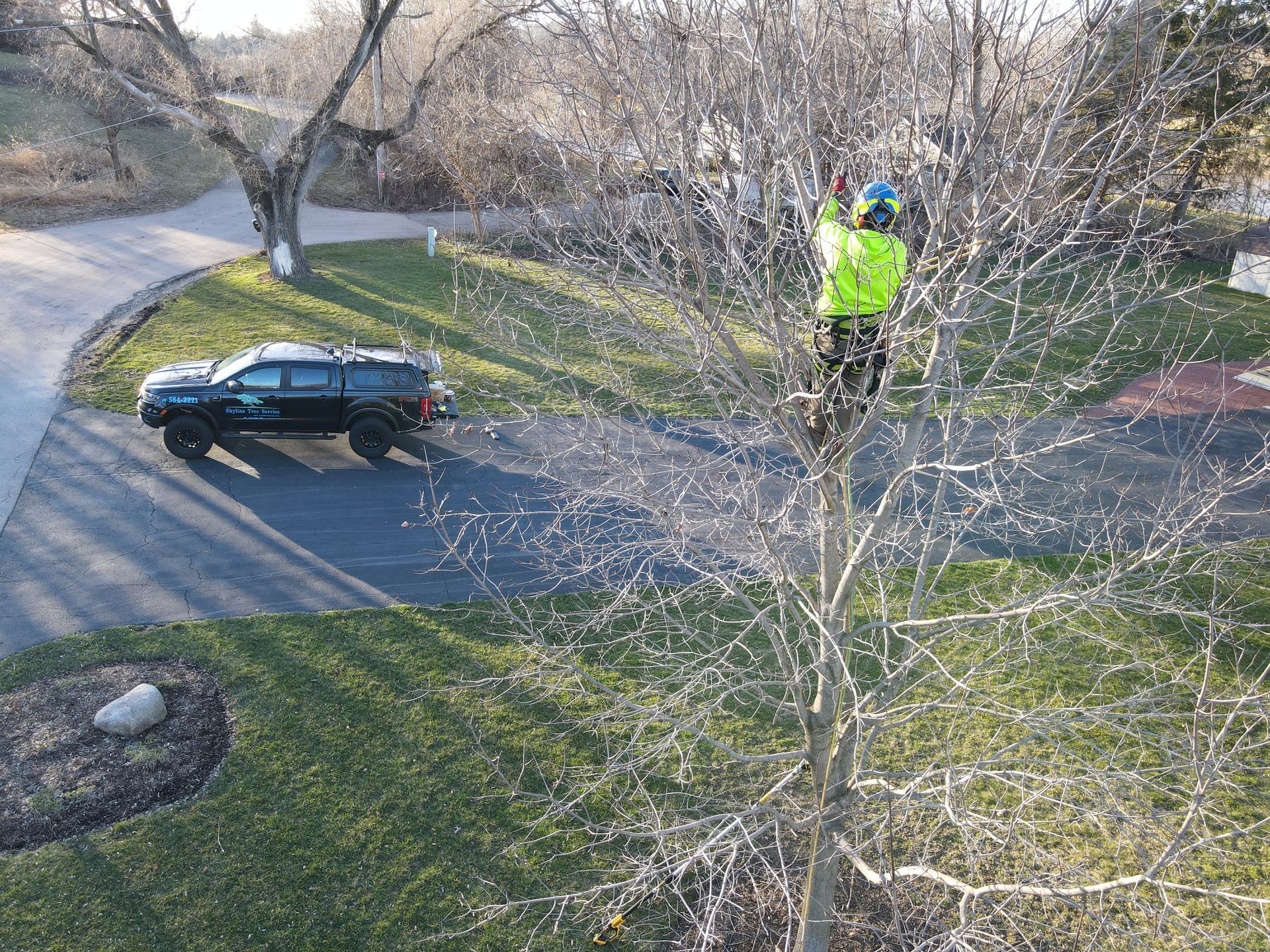
Planting a young tree is an investment in the future. When given proper care and attention, trees grow into strong, structurally sound specimens that provide beauty, shade, and environmental benefits for generations. However, without early intervention, trees can develop poor structure, increasing the likelihood of storm damage, limb failure, or costly corrective pruning later in life. One of the most critical practices for ensuring a tree’s longevity and safety is structural pruning to establish a central leader. What is a Central Leader? A central leader is the single, dominant trunk that extends upward and serves as the tree’s main structural framework. Many tree species, particularly shade trees such as oaks, maples, and lindens, naturally develop with a strong central leader, while others may require guidance through pruning. If left unchecked, young trees can develop multiple competing leaders, weak branch attachments, or an overly dense canopy, all of which can compromise their long-term stability. Why is Structural Pruning Necessary? 1. Prevents Weak Branch Attachments When a tree develops multiple leaders, these competing stems often form narrow, V-shaped crotches with included bark. Included bark occurs when bark becomes trapped between two stems, preventing strong wood-to-wood connections. These weak unions are prone to splitting, especially under the stress of wind, snow, or ice. By pruning to promote a single central leader, arborists can eliminate these structural weaknesses before they become major hazards. 2. Encourages Proper Growth Form Young trees grow rapidly, and their natural growth habit may not always be conducive to long-term stability. Structural pruning guides the tree’s growth, ensuring a balanced framework that can support the canopy as it matures. By selecting and maintaining a dominant central leader, arborists encourage the tree to allocate its resources efficiently, reducing the likelihood of structural failure later in life. 3. Reduces the Need for Future Corrective Pruning Pruning a young tree is far less invasive than making large cuts on a mature tree. When structural issues are addressed early, the need for heavy pruning in the future is minimized. Large pruning wounds on older trees take longer to heal and create entry points for pests and diseases. Early structural pruning sets a strong foundation, reducing maintenance costs and promoting tree health over time. 4. Increases Wind Resistance Trees with multiple competing leaders or weak branch attachments are more susceptible to storm damage. A well-pruned tree with a strong central leader has a more aerodynamic shape, allowing wind to pass through more easily. This reduces the risk of branch breakage and whole-tree failure during extreme weather events. 5. Improves Aesthetic Value A well-structured tree enhances the landscape’s beauty and value. Trees with a single, straight trunk and a balanced canopy are more visually appealing than those with a tangled or uneven growth habit. Proper pruning in the early years ensures that the tree develops into an attractive and functional part of the landscape. Best Practices for Structural Pruning 1. Start Early The best time to begin structural pruning is within the first few years after planting. Young trees heal quickly from pruning cuts, and shaping them early prevents the need for drastic intervention later. 2. Remove Competing Leaders Identify the strongest, most upright stem as the central leader and remove any competing leaders. If a tree has already started forming multiple leaders, gradual pruning over multiple years may be necessary to avoid excessive stress on the tree. 3. Space Out Permanent Branches Lower branches on young trees should be temporary and gradually removed as the tree grows. Permanent branches should be well spaced along the trunk, ideally 12–18 inches apart, to ensure a strong structure. 4. Make Proper Pruning Cuts Always prune just outside the branch collar, where the branch meets the trunk. This allows the tree to properly seal the wound and reduce the risk of decay. Avoid leaving stubs or making flush cuts, as both can lead to health issues. 5. Prune in the Right Season The best time for structural pruning is during the dormant season (late fall to early spring) when the tree is not actively growing. This minimizes stress on the tree and reduces the risk of disease transmission. Conclusion Structural pruning for a central leader is one of the most important steps in ensuring a tree’s long-term health and stability. By shaping young trees early, we prevent structural weaknesses, reduce maintenance costs, and enhance both safety and aesthetic appeal. Investing in proper pruning now sets the stage for strong, resilient trees that will thrive for decades to come. If you need assistance with structural pruning, consulting our certified arborists can ensure that your trees receive the best care possible. "Every tree needs a Caretaker"
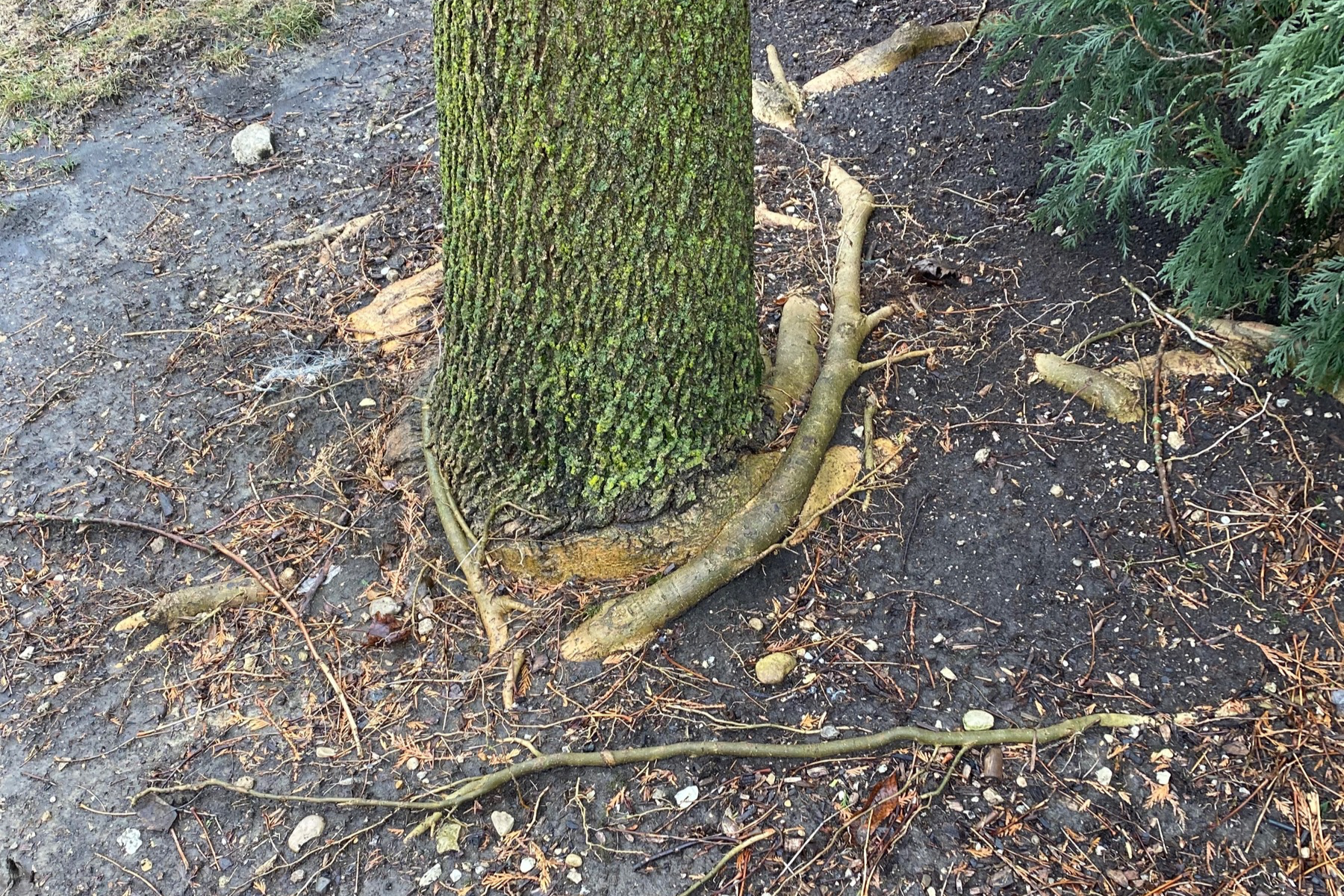
Why Newly Planted Trees Are at Risk Girdling roots are a silent killer, especially for newly planted trees in urban and landscaped environments. They form when roots grow in a circular pattern around the base of a tree trunk, choking the tree by restricting the flow of water, nutrients, and sap. Left unchecked, they can lead to a slow decline in tree health and eventual tree death. Newly planted trees are particularly vulnerable because they often come from nurseries where they were grown in containers or wrapped in ball-and-burlap. These restricted growing conditions encourage roots to circle tightly within the confined space. When these trees are planted without correcting root issues or if planted too deeply, girdling roots can quickly become a problem. The Critical Role of an Open Root Flare for New Trees The root flare—the area where the tree trunk widens and transitions into roots—should always be visible above the soil. This flare is vital for tree stability, nutrient flow, and overall health. A buried root flare can suffocate the tree, promoting girdling roots, stunted growth, and increased susceptibility to pests and diseases. For newly planted trees, maintaining an open root flare is crucial to prevent girdling roots from developing and to support proper root establishment and long-term vitality. How to Spot Girdling Roots in Newly Planted Trees Watch for these signs that a newly planted tree may be suffering from girdling roots: No visible root flare at the soil surface Trunk looks like a telephone pole going straight into the ground Pinched or flattened trunk at the soil line Roots visibly circling the base of the tree Sparse, thin canopy with small, discolored, or scorched leaves Premature fall color changes and early leaf drop Dieback in upper branches Sunscald or frost cracks on the trunk Assessment and Treatment with Root Collar Excavation Diagnosing girdling roots in newly planted trees requires a professional root collar excavation using an Air Spade®. This specialized tool safely removes soil without harming the tree, exposing the root flare so we can identify and assess problematic roots. Treatment often involves carefully removing the girdling roots to restore proper nutrient flow. The earlier this issue is caught in newly planted trees, the better the outcome. Proactive care can prevent long-term damage, reduce the risk of tree decline, and promote healthy growth from the start. Ongoing Care for Newly Planted Trees Newly planted trees stressed by girdling roots are more vulnerable to other environmental pressures. To keep them healthy: Prune dead or diseased branches regularly Ensure consistent watering, especially during establishment periods Keep mulch a few inches away from the trunk to prevent moisture buildup against the bark Utilize root care/fertilzation services to improve soil health and structure Monitor regularly for signs of pests and diseases Safeguard Your Investment With newly planted trees on your property, proactive root care is essential. Skyline Tree Service offers expert root collar excavation to detect and address girdling roots early, protecting your trees' health and ensuring their long-term growth and beauty. Early intervention can make the difference between thriving trees and costly removals and replacements.

Understanding Arborists: The Green Guardians of Urban Landscapes

Nurturing Your Landscape Through Winter: Understanding and Preventing Winter Burn As winter's chill blankets the landscape, our trees and shrubs face unique challenges, with winter burn emerging as a common concern. At Skyline Tree Service, we recognize the importance of proactive plant healthcare, especially during the colder months. In this blog post, we delve into the phenomenon of winter burn, its causes, and actionable steps to shield your green companions from its grasp. What is Winter Burn? Winter burn, or desiccation, is a condition where evergreen plants, particularly needled ones, experience dehydration due to a loss of water through their leaves or needles. This occurs when the plant's demand for water exceeds its ability to absorb it from frozen or dry soil. Causes of Winter Burn: Harsh Winter Winds: Strong, cold winds accelerate water loss from evergreen needles. Frozen Ground: When the ground is frozen, plant roots struggle to absorb water, leading to dehydration. Low Temperatures: Extremely low temperatures can cause water within plant cells to freeze, damaging cell structures. Sunlight Exposure: Bright winter sunlight, combined with frozen ground, intensifies water loss through transpiration. Recognizing Winter Burn Symptoms: Identifying winter burns is crucial for timely intervention. Look out for: Browning or discoloration of needle tips and margins. Curling or drooping needles. Premature needle dro p. Preventing Winter Burn: Anti-Desiccant Sprays: Applying anti-desiccant sprays forms a protective coating on needles, reducing water loss. Windbreaks: Erecting windbreaks, like burlap or snow fencing, shields plants from harsh winter winds. Watering Before Winter: Hydrate plants adequately in late fall to ensure sufficient moisture before the ground freezes. Mulching: A layer of organic mulch around plants conserves soil moisture and moderates temperature. Avoid Salt Use: Minimize salt near plants, as it can lead to soil desiccation. Winter Watering: Water evergreens on warmer winter days to supplement moisture. Skyline's Winter Plant Healthcare Services: At Skyline Tree Service, our certified arborists provide specialized winter plant healthcare services to safeguard your landscape from winter burn. Our expertise includes: Winter Moisture Management: Tailored watering plans to address frozen ground challenges. Anti-Desiccant Treatments: Protective sprays to minimize water loss from evergreen needles. Winter Mulching: Application of organic mulch to conserve soil moisture and insulate roots. Diagnostic Assessments: Thorough evaluations to identify and address winter burn symptoms promptly. 35 Years of Experience in Winter Tree Care As we celebrate over 35 years of excellence in plant healthcare, Skyline Tree Service remains committed to ensuring the vitality of your landscape in all seasons. Winter burn may be a winter reality, but with proactive plant healthcare measures, you can nurture your green companions through the cold months and witness their resilience come spring. Contact us today for comprehensive winter plant healthcare solutions tailored to your unique landscape. Contact Us for Winter Tree Care Name: Email: Phone: Message: Thank you for contacting us. We will get back to you as soon as possible. Oops, there was an error sending your message. Please try again later.