


5 Signs Your Tree Is Dangerous Before Storm Season
A Homeowner’s Guide to Identifying Risk in Illinois Trees
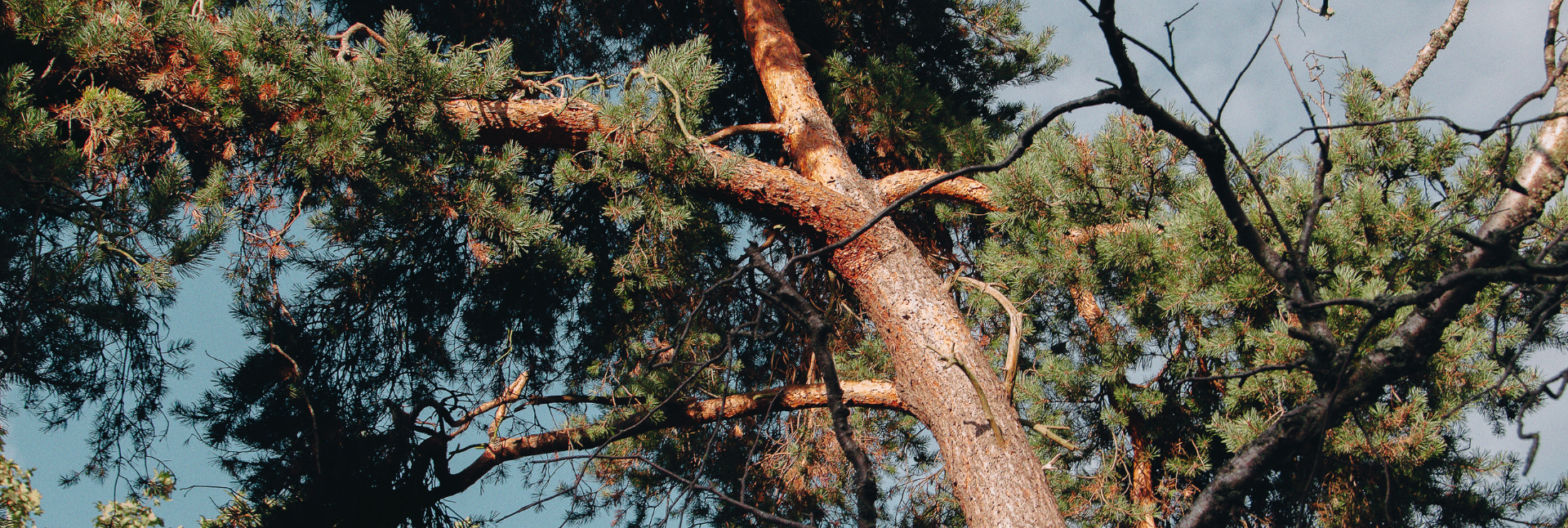
As storm season approaches in Illinois, trees that appear healthy can quickly become a serious risk to your home and property. High winds, heavy rain, and saturated soil put added stress on trees that may already be weakened from winter conditions.
Many homeowners don’t realize a tree is dangerous until it’s too late. Identifying the warning signs early can help prevent property damage, reduce safety risks, and avoid emergency situations during severe weather. Read our "Spring Tree Service Guide for Illinois" for more information on spring tree services and the right time to start these outdoor projects!
Why Tree Safety Matters Before Storm Season
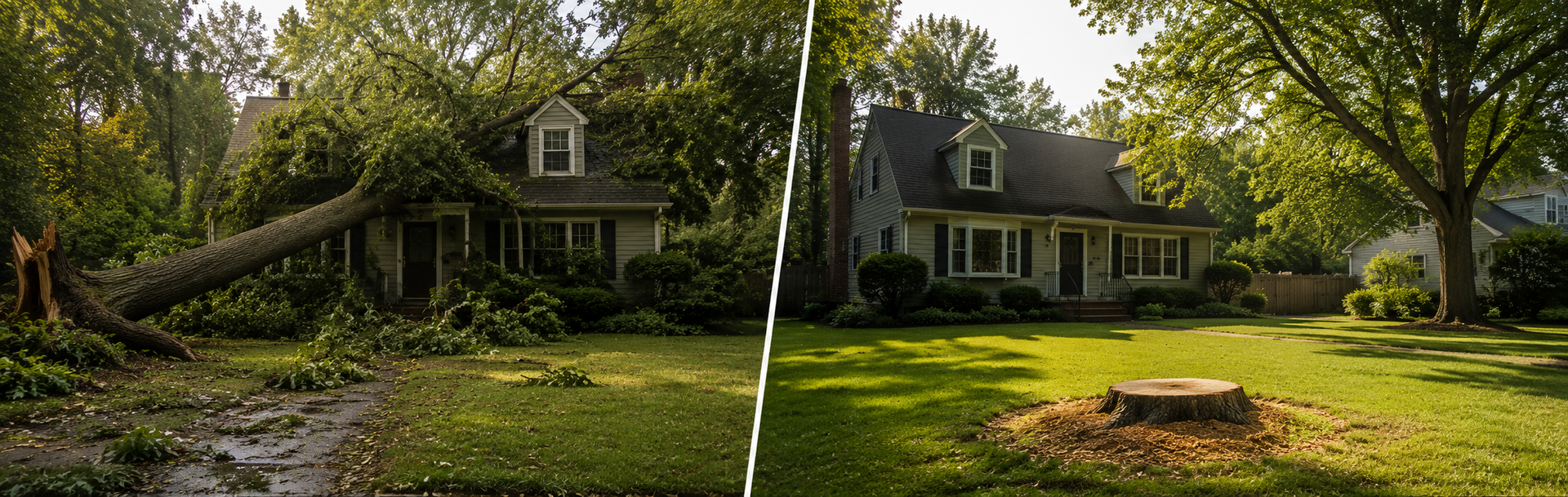
Spring and early summer storms in Northern Illinois can be unpredictable and intense. Trees that are structurally compromised are far more likely to fail under pressure, leading to:
- Fallen limbs or entire trees
- Damage to roofs, vehicles, and structures
- Blocked driveways or access points
- Potential safety hazards for people and pets
Proactively identifying risky trees before storms hit allows you to address the problem on your terms instead of reacting during an emergency.
5 Signs Your Tree May Be Dangerous
1. The Tree Is Leaning or Shifting Position
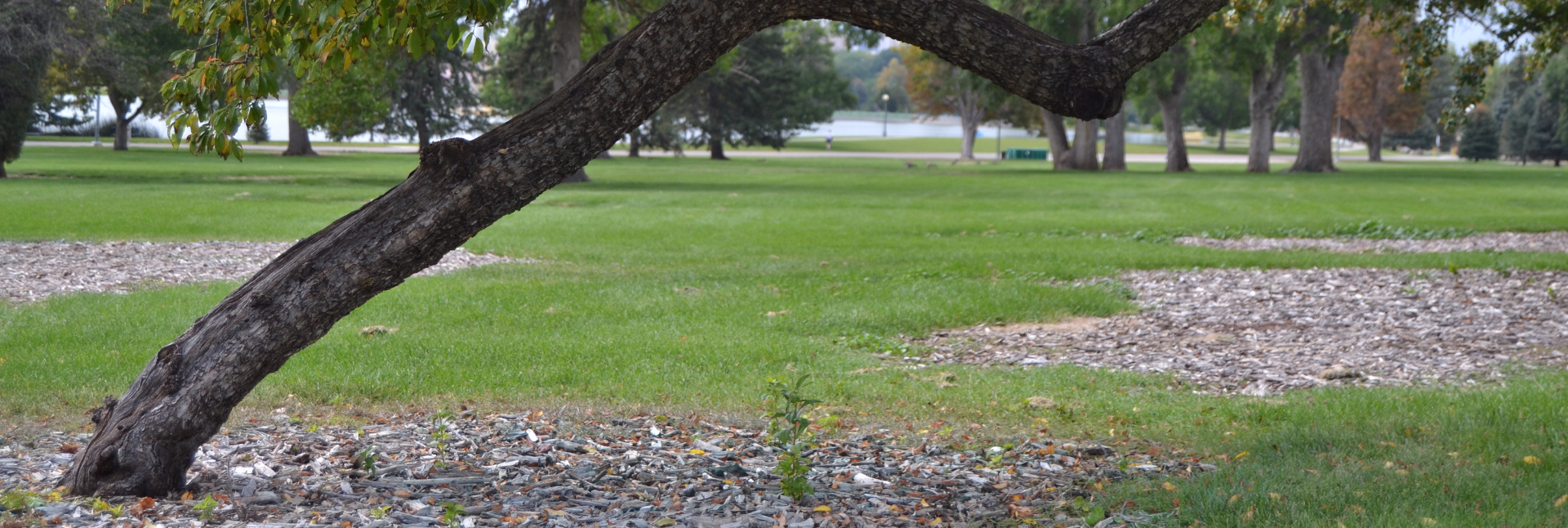
A tree that is leaning more than usual or has recently shifted may have root damage or unstable soil conditions. This is one of the most common warning signs of potential failure, especially during storms.
2. Large Dead or Hanging Branches

Dead limbs, especially those hanging over your home or driveway, are a major hazard. These branches can break unexpectedly during high winds and cause significant damage.
3. Cracks or Splits in the Trunk
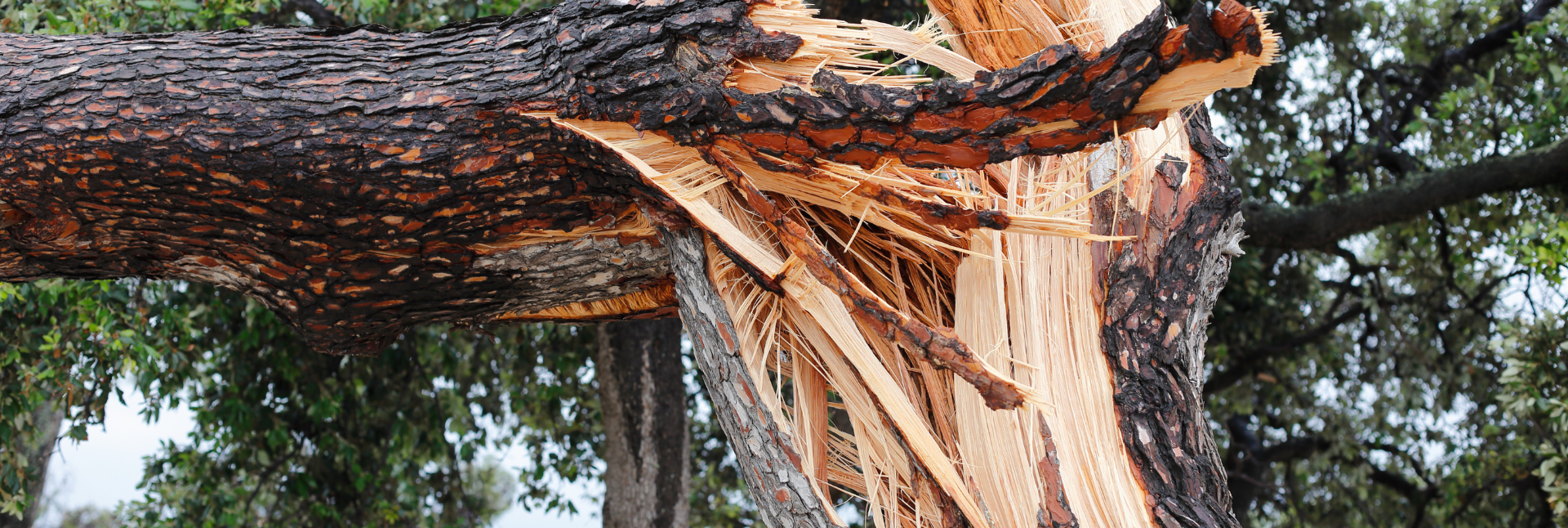
Visible cracks or splitting in the trunk often indicate internal structural weakness. Trees with these issues are more likely to fail under stress and should be evaluated immediately.
4. Signs of Rot or Decay
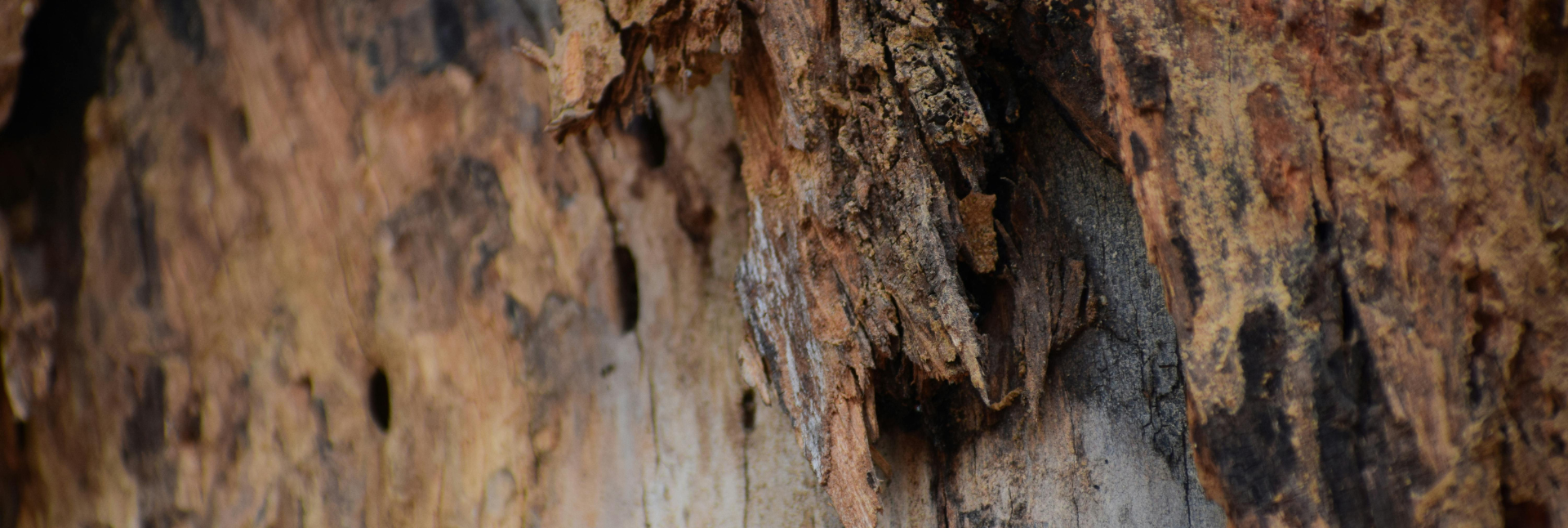
Fungus growth at the base, hollow areas, or soft wood are signs that a tree may be decaying from the inside. Even if the tree still has leaves, internal decay can make it unsafe.
5. Tree Located Too Close to Structures
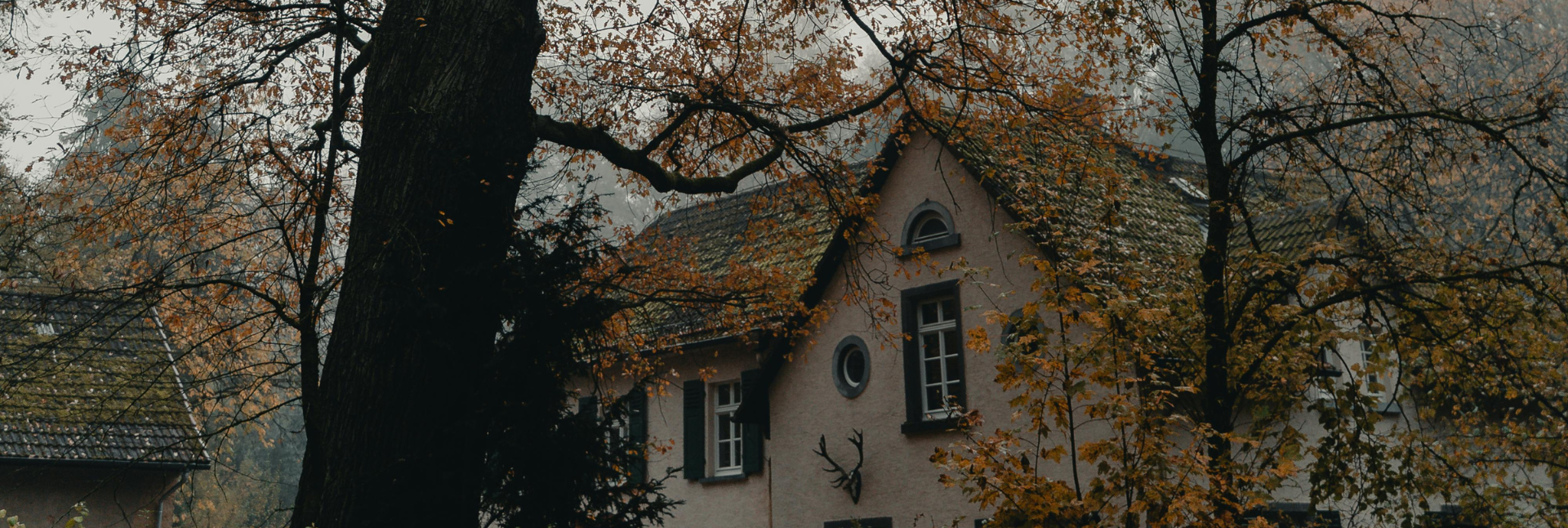
Trees growing near homes, garages, or power lines pose a higher risk if they become unstable. Even a partially damaged tree in the wrong location can cause major issues during a storm.
What Happens If You Ignore These Signs?
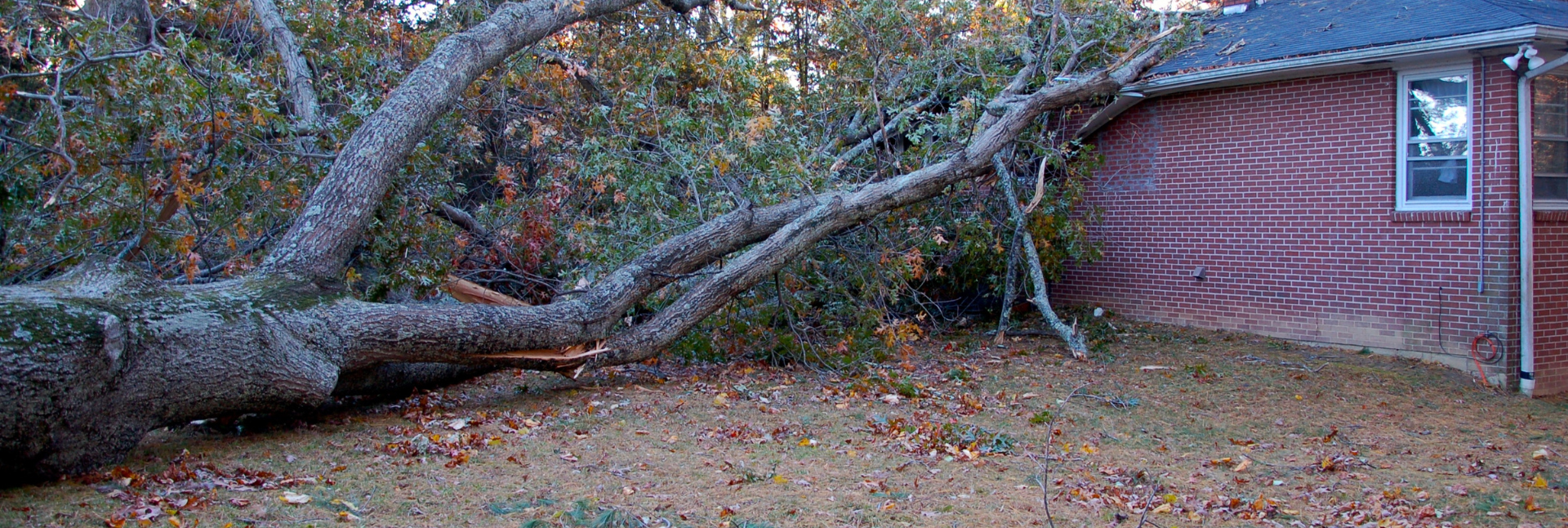
Waiting to address a potentially dangerous tree can lead to:
- Emergency removals during storms
- Higher costs due to urgency and complexity
- Property damage and insurance claims
- Safety risks for your household
In many cases, preventative removal or pruning is far more manageable than dealing with a storm-related emergency.
Removal vs. Pruning: What’s the Right Move for Storm Damage Prevention
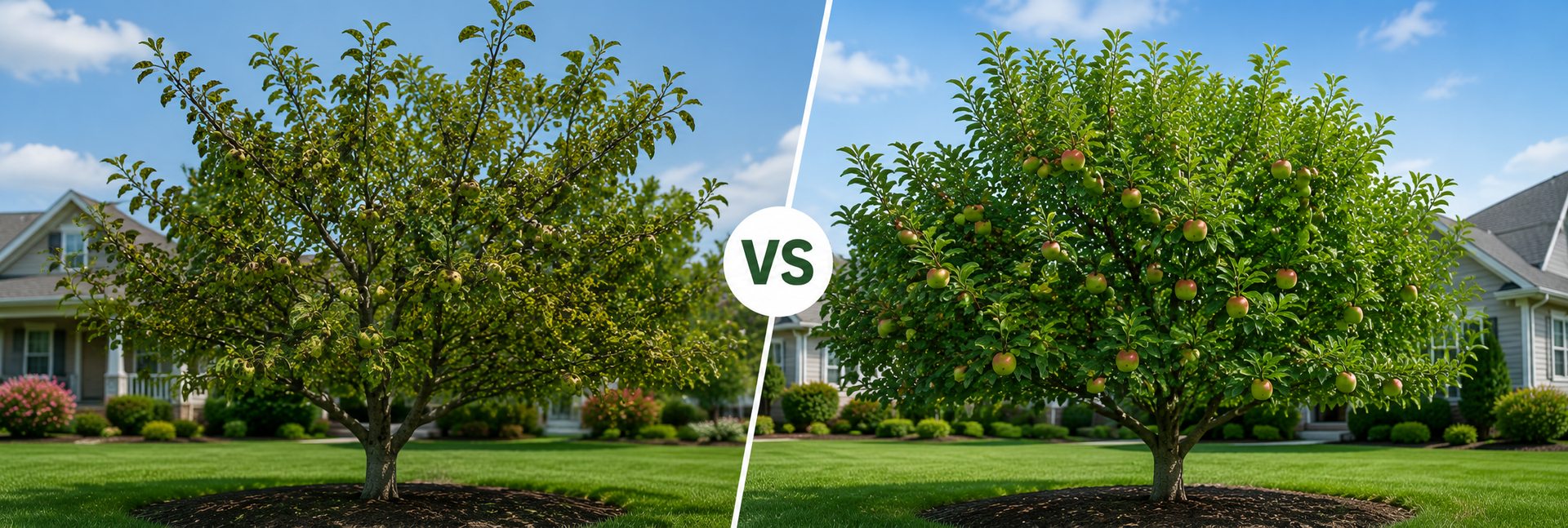
Not every tree showing signs of risk needs to be removed. In some cases, strategic pruning can reduce weight, remove hazardous limbs, and improve structural stability.
However, removal may be necessary when:
- The tree is structurally compromised
- Decay is advanced
- The tree poses a direct threat to structures
A professional evaluation helps determine whether pruning or removal is the safest and most effective option. If you are wondering about how much tree services cost in the Fox Valley, read "How Much do Tree Services Cost in the Fox Valley"
Why Professional Evaluation Matters
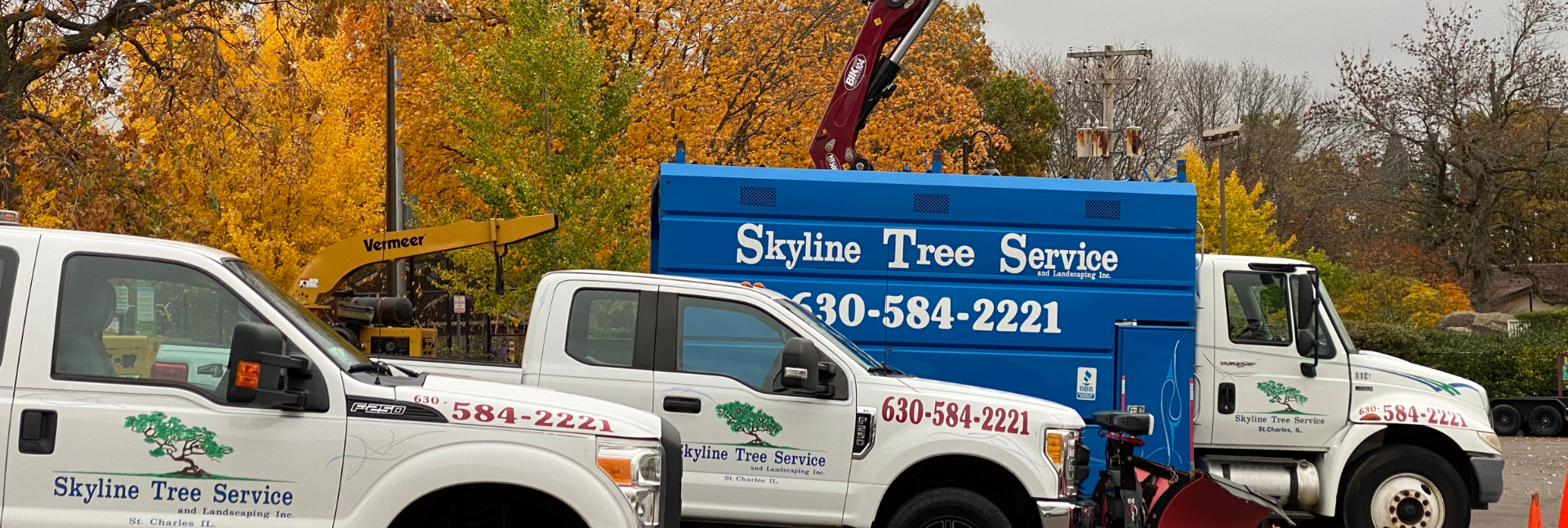
Tree risk is not always obvious from the ground. A certified arborist can properly assess:
- Structural integrity
- Root stability
- Signs of disease or decay
- Overall risk level
This allows homeowners to make informed decisions based on safety, not guesswork. We do on-site evaluations and for more information, read out blog on "Why We Charge for Tree Consultations and Why It's Worth It"
Our Service Areas
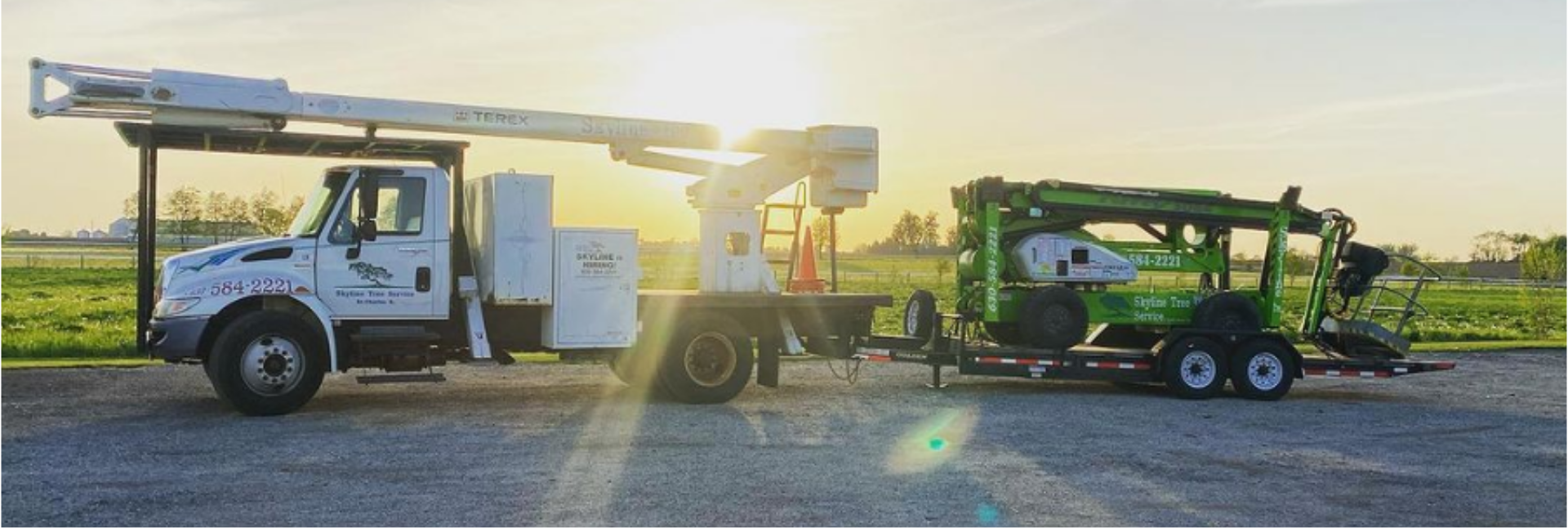
Skyline Tree Service works with homeowners throughout the Fox Valley in towns like Geneva, St. Charles, and DeKalb County, including DeKalb and Sycamore, to identify and address potentially dangerous trees before storm season.
Schedule a Tree Safety Evaluation
If you’ve noticed any of these warning signs, now is the time to take action. Addressing tree risks early can help prevent damage and keep your property safe.
All Blog Posts