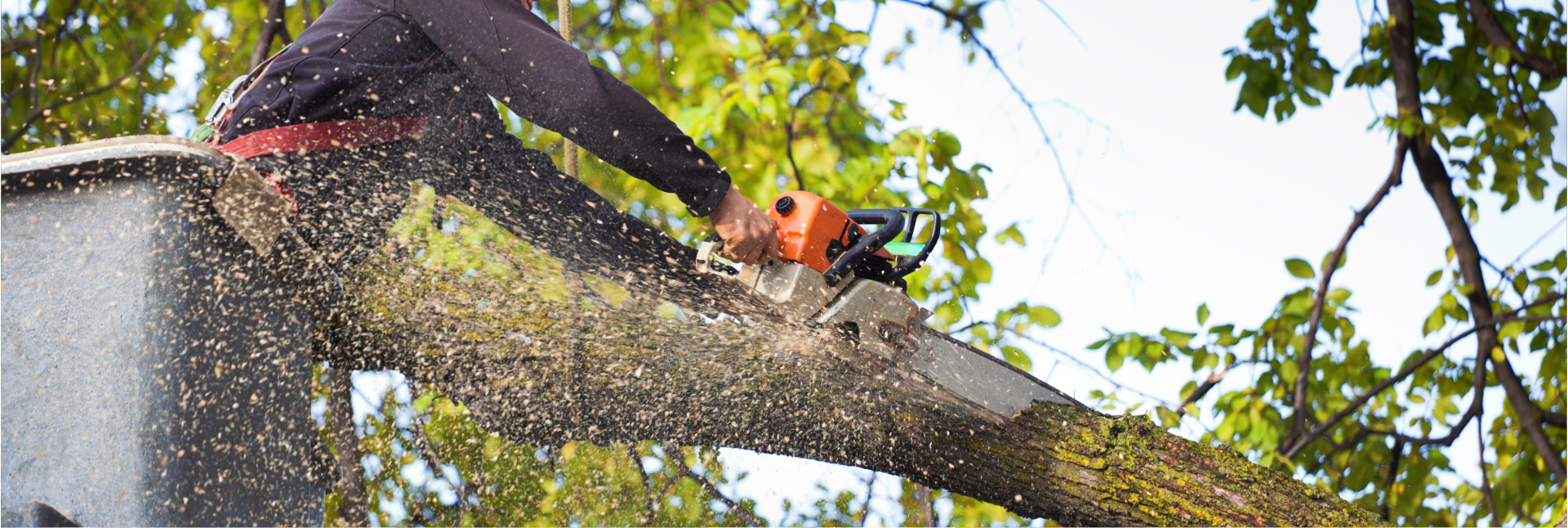


Spring Tree Care in Illinois: When to Trim, Remove, and Protect Your Trees

Andrew Ranney • April 10, 2026

A Homeowner’s Guide to Tree Removal, Pruning, and Plant Healthcare

Spring is one of the most important times of year for tree care in Illinois. As trees come out of dormancy, property owners have a critical window to address storm damage, prune for healthy growth, and identify potential risks before the growing season fully begins.


Whether you’re dealing with overgrown branches, damaged trees from winter storms, or concerns about tree health, taking action in early spring can help prevent costly problems later in the year. Understanding when to trim, remove, or treat your trees is key to maintaining a safe and healthy landscape.


Why Spring Tree Care Matters

After a long winter, trees in Illinois often experience:


  • Structural stress from snow and ice
  • Hidden storm damage
  • Dead or weakened limbs
  • Early signs of disease or pest activity


Spring is the ideal time to assess these issues before trees reach full leaf growth. Addressing problems early improves tree health, reduces safety risks, and helps prepare your property for severe weather later in the season.


When Tree Removal Is Necessary
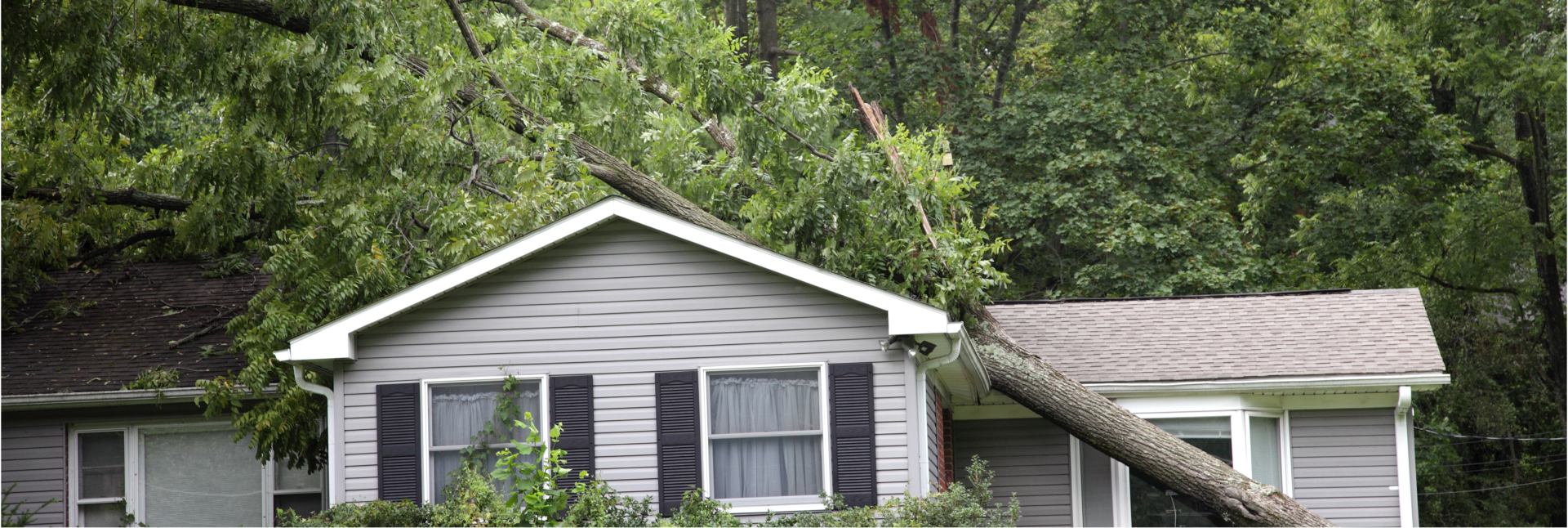
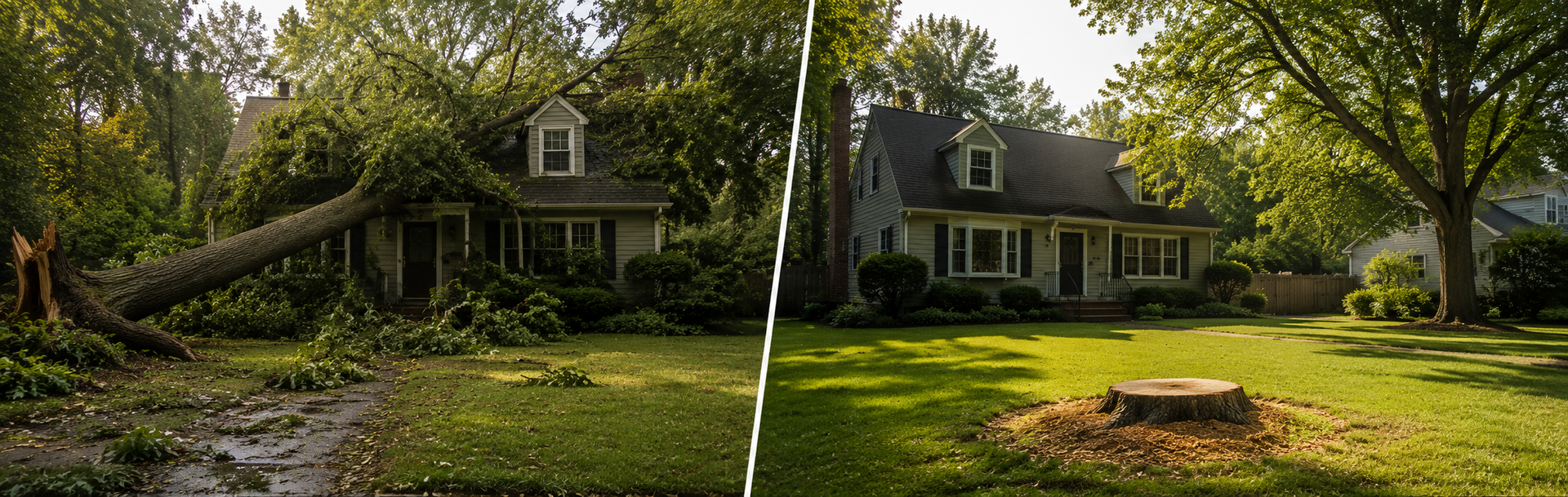
Tree removal is sometimes the safest and most practical solution, especially when a tree poses a risk to your home or surrounding structures.


You may need tree removal if:


  • The tree is dead or no longer producing healthy growth
  • There is visible cracking, splitting, or structural damage
  • The tree is leaning or unstable
  • Roots are causing damage to foundations or hardscaping
  • Storm damage has compromised the tree’s integrity


Spring is a strategic time for removal, as it allows you to eliminate hazards before storms and heavy foliage increase risk. For homeowners in Northern Illinois, scheduling tree removal early in the season can also help avoid peak demand later in the year. If you are wondering about pricing on tree services, read out Guide on "Tree Service Pricing and How to Budget for Tree Services"


The Best Time for Tree Trimming and Pruning
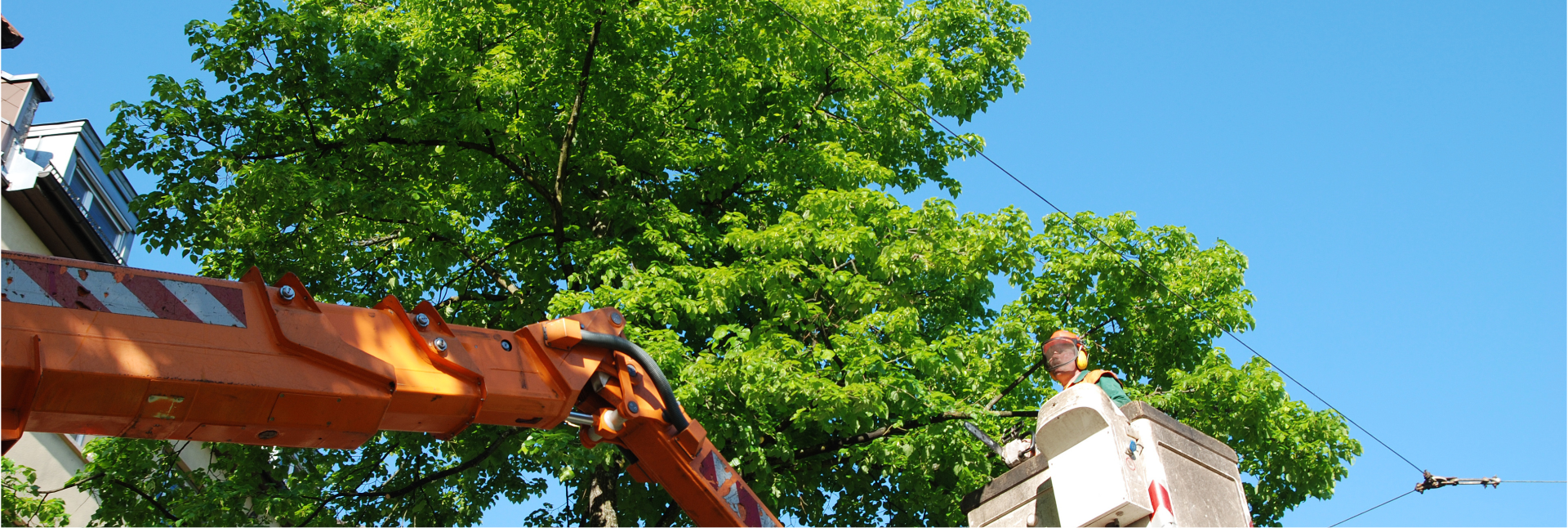
Tree trimming and pruning play a major role in maintaining both the appearance and health of your trees.

In most cases, late winter through early spring is the best time to prune trees in Illinois because:


  • Trees are still in a dormant or early growth phase
  • Structural issues are easier to identify
  • Pruning encourages strong, healthy growth
  • It reduces the risk of disease spread


Proper pruning can:

  • Remove weak or hazardous branches
  • Improve airflow and sunlight exposure
  • Enhance tree structure and stability
  • Reduce the risk of storm damage


However, not all trees follow the same schedule. Certain species require different pruning times, which is why working with a professional can help ensure the best results.


Preparing for Storm Season
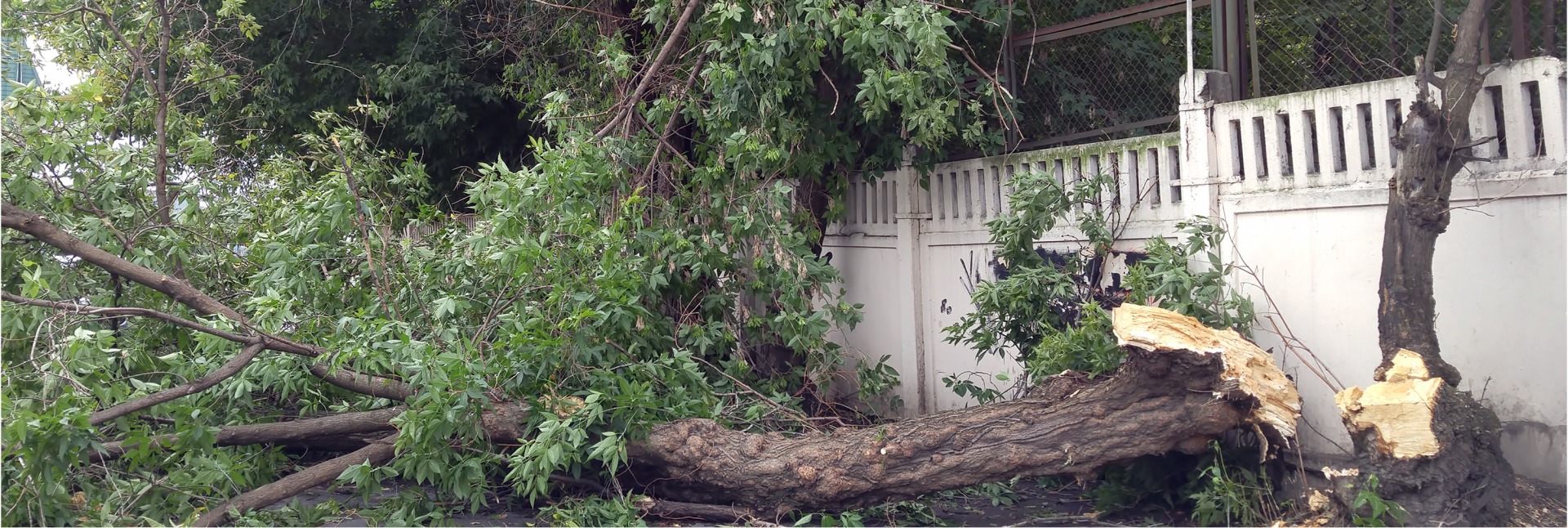
Spring storms in Illinois can bring strong winds, heavy rain, and unpredictable weather conditions. Trees that are not properly maintained are more likely to suffer damage during these events. We offer Emergency storm response and preventative maintenance!


Common storm-related risks include:

  • Falling limbs
  • Uprooted trees
  • Damage to roofs, vehicles, and power lines


Preventative pruning and tree evaluations can significantly reduce these risks. Identifying weak branches or structural issues early allows homeowners to take action before severe weather hits. Here are "5 Ways to Spot Dangerous Trees in Illinois".


Understanding Plant Healthcare (PHC)

Plant healthcare is one of the most overlooked aspects of tree care, but it plays a critical role in maintaining long-term tree health.

Plant healthcare services focus on:


  • Identifying early signs of disease
  • Monitoring pest activity
  • Improving soil and nutrient conditions
  • Strengthening trees against environmental stress


In spring, trees begin active growth, making it the ideal time to evaluate their health and apply treatments if needed.

Signs your trees may need plant healthcare include:


  • Discolored or thinning leaves
  • Uneven growth patterns
  • Signs of insect activity
  • Overall decline in tree health


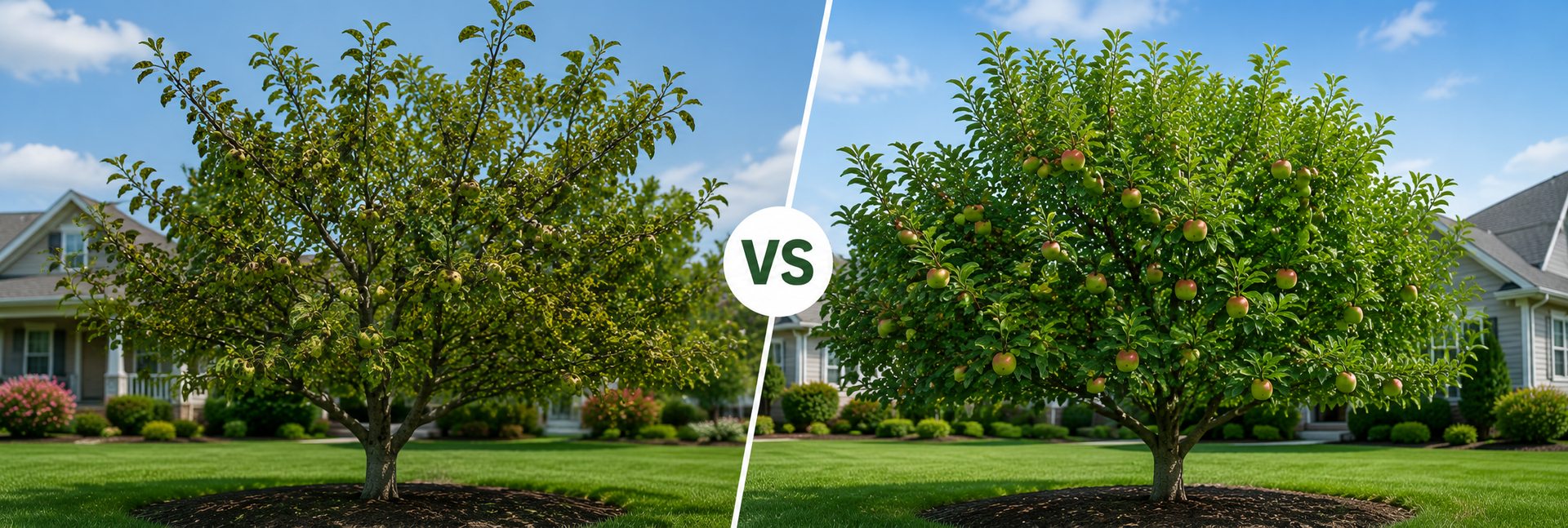
A proactive approach to plant healthcare helps extend the life of your trees and prevents costly removals in the future.


How to Know What Tree Care Your Property Needs
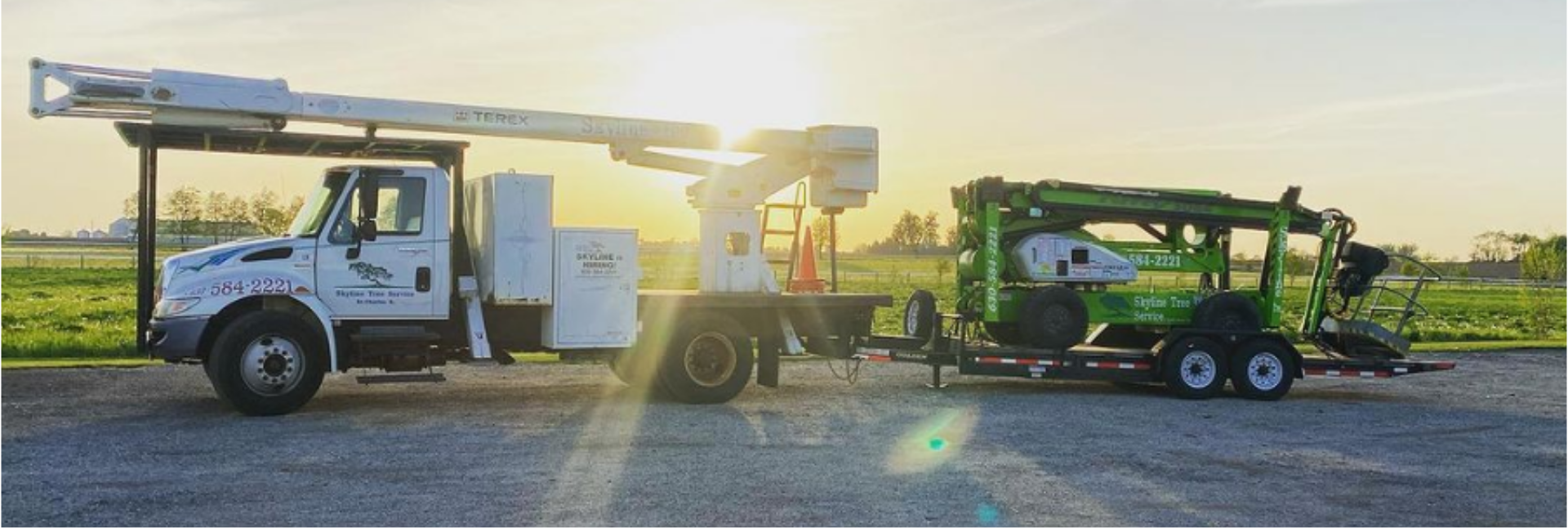
Many homeowners are unsure whether they need tree removal, pruning, or plant healthcare services. The best approach is to evaluate your property based on safety, appearance, and long-term health.


Ask yourself:


  • Are there any trees that look damaged or unstable?
  • Are branches too close to your home or driveway?
  • Have your trees been pruned in the last 1–3 years?
  • Do any trees show signs of disease or stress?


If the answer to any of these is yes, it may be time to schedule a professional evaluation. Skyline Tree offers on-site evaluation and easy quoting to help you get the job done with ease.


Why Work with a Professional Arborist
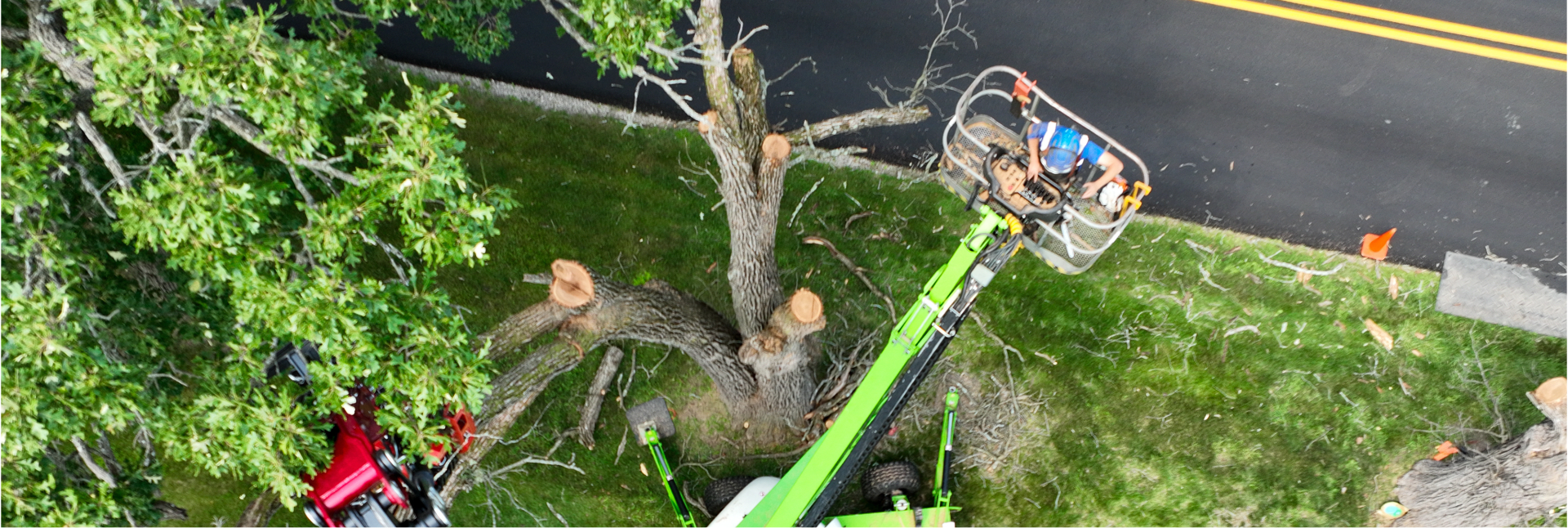
Tree care involves more than just cutting branches or removing trees. Proper techniques, safety protocols, and long-term planning are essential for protecting both your property and your landscape.


Working with a professional ensures:


  • Safe and controlled tree removal
  • Proper pruning techniques for tree health
  • Accurate diagnosis of tree issues
  • Long-term care recommendations
  • Compliance with local safety standards


Our Service Area

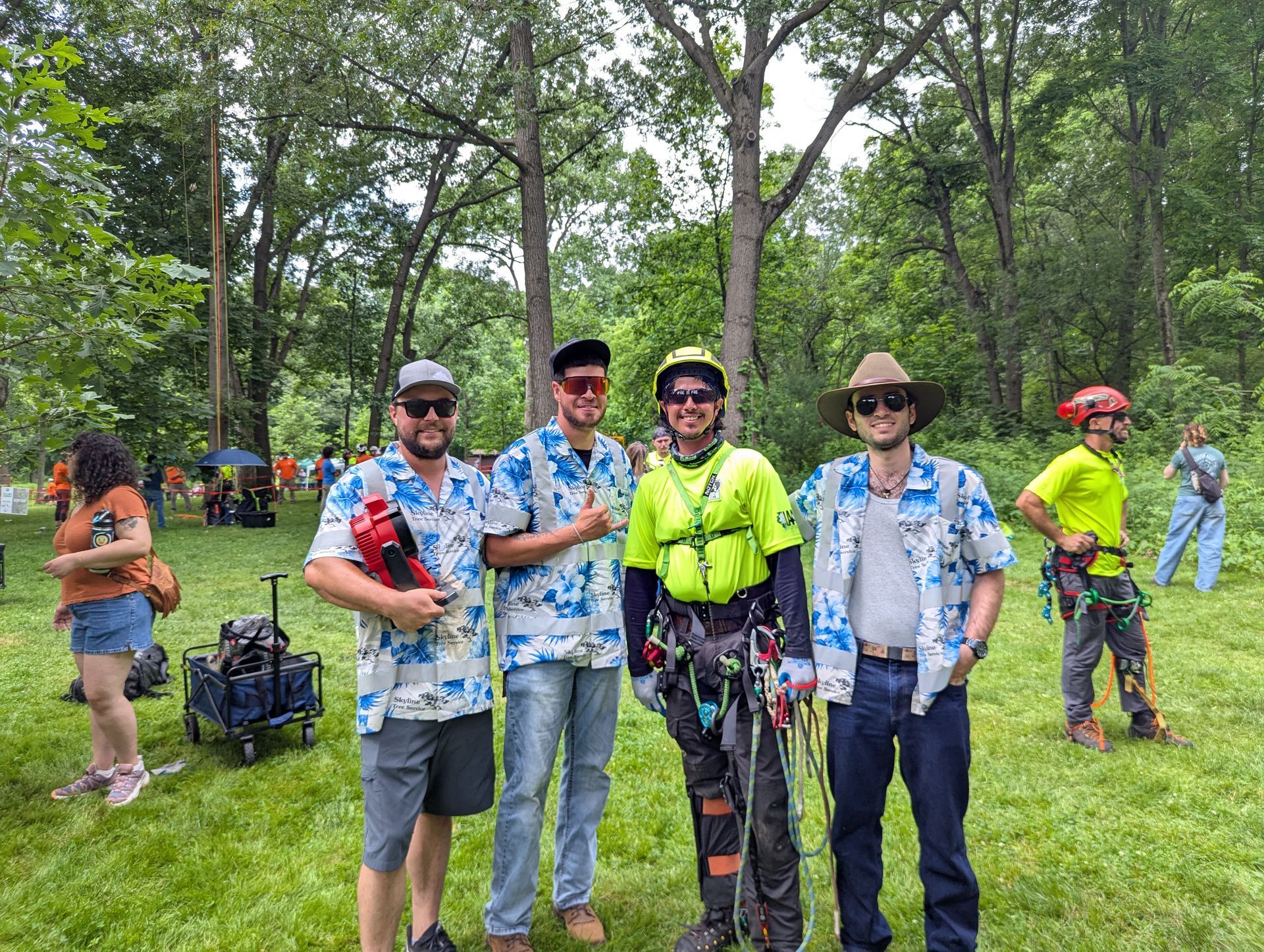
Skyline Tree Service provides professional tree care services throughout the Fox Valley including Geneva, St. Charles, etc. and DeKalb County, including DeKalb, Sycamore, and surrounding communities. We are located in Maple Park, IL and Our team works with homeowners and property managers to deliver safe, reliable, and effective tree care solutions.


View Service Area

Schedule Your Spring Tree Service

Spring is the best time to take action and prepare your trees for the months ahead. Whether you need tree removal, pruning, or plant healthcare, early scheduling helps ensure your property is protected before peak season.

Request Quote

Our Tree Service Knowledge Center

Tree Service Cost Price Guide
By Andrew Ranney April 10, 2026
How much does tree service cost in Illinois? Learn what impacts pricing and how to budget for tree removal, trimming, and plant healthcare.
How to Spot Dangerous Trees
By Andrew Ranney April 10, 2026
Worried about a dangerous tree? Learn 5 warning signs before storm season and when to consider professional tree removal in Illinois.
By andrew ranney January 5, 2026
We are excited to share that Andrew Ranney, Certified Arborist and Director of Operations at Skyline Tree Service, was featured in an article by Canvas Rebel. Canvas Rebel highlights entrepreneurs, small business owners, and community leaders who are making an impact through their work. In this feature, Andrew discusses his background in arboriculture, the path that led him into the tree care industry, and the values that guide Skyline Tree Service today. The article also touches on the challenges of running a tree care business, the importance of safety and professionalism in our industry, and Andrew’s commitment to education, community involvement, and long-term tree health. Being recognized by Canvas Rebel is an honor and a reflection of the passion and care that goes into every project we take on—from residential tree care and removals to plant health care and consulting. We are proud to share Andrew’s story and give clients a deeper look at the experience, mindset, and standards behind our work. 👉 Read the full Canvas Rebel article featuring Andrew Ranney here
By Andrew Ranney March 6, 2025
At Skyline Tree Service, we take a different approach than many in the industry when it comes to assessing your trees. While some companies provide free quotes in hopes of selling a service, we offer professional consultations because our goal is to give you the best advice for your trees—not just sell you work. When you schedule a consultation with me, you’re getting the expertise of a Certified Arborist (ISA IL-9499A), Certified Treecare Safety Professional (CTSP), Tree Risk Assessment Qualified (TRAQ) specialist, and an urban forestry graduate from Southern Illinois University. My qualifications allow me to provide science-based recommendations, whether that means corrective action or, in some cases, advising that no work is needed at all. This is what sets a consultative sales arborist apart from a consulting arborist. Many companies offer free estimates because their primary goal is to sell you pruning, removal, or treatment. However, if you are uncertain about your tree’s condition and want expert guidance on the best course of action, we offer a 30-45 minute site evaluation for $65. For clients who already know what needs to be done—such as pruning, removal, or treatment—we do provide free estimates. But if you need professional insight to determine the best approach for your tree’s health and longevity, my time and knowledge are worth something—just like hiring any other specialized professional. By choosing a paid consultation, you are investing in unbiased, expert advice that prioritizes the well-being of your trees, not just a service sale.
By Andrew Ranney February 21, 2025
Planting a young tree is an investment in the future. When given proper care and attention, trees grow into strong, structurally sound specimens that provide beauty, shade, and environmental benefits for generations. However, without early intervention, trees can develop poor structure, increasing the likelihood of storm damage, limb failure, or costly corrective pruning later in life. One of the most critical practices for ensuring a tree’s longevity and safety is structural pruning to establish a central leader. What is a Central Leader? A central leader is the single, dominant trunk that extends upward and serves as the tree’s main structural framework. Many tree species, particularly shade trees such as oaks, maples, and lindens, naturally develop with a strong central leader, while others may require guidance through pruning. If left unchecked, young trees can develop multiple competing leaders, weak branch attachments, or an overly dense canopy, all of which can compromise their long-term stability. Why is Structural Pruning Necessary? 1. Prevents Weak Branch Attachments When a tree develops multiple leaders, these competing stems often form narrow, V-shaped crotches with included bark. Included bark occurs when bark becomes trapped between two stems, preventing strong wood-to-wood connections. These weak unions are prone to splitting, especially under the stress of wind, snow, or ice. By pruning to promote a single central leader, arborists can eliminate these structural weaknesses before they become major hazards. 2. Encourages Proper Growth Form Young trees grow rapidly, and their natural growth habit may not always be conducive to long-term stability. Structural pruning guides the tree’s growth, ensuring a balanced framework that can support the canopy as it matures. By selecting and maintaining a dominant central leader, arborists encourage the tree to allocate its resources efficiently, reducing the likelihood of structural failure later in life. 3. Reduces the Need for Future Corrective Pruning Pruning a young tree is far less invasive than making large cuts on a mature tree. When structural issues are addressed early, the need for heavy pruning in the future is minimized. Large pruning wounds on older trees take longer to heal and create entry points for pests and diseases. Early structural pruning sets a strong foundation, reducing maintenance costs and promoting tree health over time. 4. Increases Wind Resistance Trees with multiple competing leaders or weak branch attachments are more susceptible to storm damage. A well-pruned tree with a strong central leader has a more aerodynamic shape, allowing wind to pass through more easily. This reduces the risk of branch breakage and whole-tree failure during extreme weather events. 5. Improves Aesthetic Value A well-structured tree enhances the landscape’s beauty and value. Trees with a single, straight trunk and a balanced canopy are more visually appealing than those with a tangled or uneven growth habit. Proper pruning in the early years ensures that the tree develops into an attractive and functional part of the landscape. Best Practices for Structural Pruning 1. Start Early The best time to begin structural pruning is within the first few years after planting. Young trees heal quickly from pruning cuts, and shaping them early prevents the need for drastic intervention later. 2. Remove Competing Leaders Identify the strongest, most upright stem as the central leader and remove any competing leaders. If a tree has already started forming multiple leaders, gradual pruning over multiple years may be necessary to avoid excessive stress on the tree. 3. Space Out Permanent Branches Lower branches on young trees should be temporary and gradually removed as the tree grows. Permanent branches should be well spaced along the trunk, ideally 12–18 inches apart, to ensure a strong structure. 4. Make Proper Pruning Cuts Always prune just outside the branch collar, where the branch meets the trunk. This allows the tree to properly seal the wound and reduce the risk of decay. Avoid leaving stubs or making flush cuts, as both can lead to health issues. 5. Prune in the Right Season The best time for structural pruning is during the dormant season (late fall to early spring) when the tree is not actively growing. This minimizes stress on the tree and reduces the risk of disease transmission. Conclusion Structural pruning for a central leader is one of the most important steps in ensuring a tree’s long-term health and stability. By shaping young trees early, we prevent structural weaknesses, reduce maintenance costs, and enhance both safety and aesthetic appeal. Investing in proper pruning now sets the stage for strong, resilient trees that will thrive for decades to come. If you need assistance with structural pruning, consulting our certified arborists can ensure that your trees receive the best care possible. "Every tree needs a Caretaker"
By andrew ranney February 4, 2025
Why Newly Planted Trees Are at Risk Girdling roots are a silent killer, especially for newly planted trees in urban and landscaped environments. They form when roots grow in a circular pattern around the base of a tree trunk, choking the tree by restricting the flow of water, nutrients, and sap. Left unchecked, they can lead to a slow decline in tree health and eventual tree death. Newly planted trees are particularly vulnerable because they often come from nurseries where they were grown in containers or wrapped in ball-and-burlap. These restricted growing conditions encourage roots to circle tightly within the confined space. When these trees are planted without correcting root issues or if planted too deeply, girdling roots can quickly become a problem. The Critical Role of an Open Root Flare for New Trees The root flare—the area where the tree trunk widens and transitions into roots—should always be visible above the soil. This flare is vital for tree stability, nutrient flow, and overall health. A buried root flare can suffocate the tree, promoting girdling roots, stunted growth, and increased susceptibility to pests and diseases. For newly planted trees, maintaining an open root flare is crucial to prevent girdling roots from developing and to support proper root establishment and long-term vitality. How to Spot Girdling Roots in Newly Planted Trees Watch for these signs that a newly planted tree may be suffering from girdling roots: No visible root flare at the soil surface Trunk looks like a telephone pole going straight into the ground Pinched or flattened trunk at the soil line Roots visibly circling the base of the tree Sparse, thin canopy with small, discolored, or scorched leaves Premature fall color changes and early leaf drop Dieback in upper branches Sunscald or frost cracks on the trunk Assessment and Treatment with Root Collar Excavation Diagnosing girdling roots in newly planted trees requires a professional root collar excavation using an Air Spade®. This specialized tool safely removes soil without harming the tree, exposing the root flare so we can identify and assess problematic roots. Treatment often involves carefully removing the girdling roots to restore proper nutrient flow. The earlier this issue is caught in newly planted trees, the better the outcome. Proactive care can prevent long-term damage, reduce the risk of tree decline, and promote healthy growth from the start. Ongoing Care for Newly Planted Trees Newly planted trees stressed by girdling roots are more vulnerable to other environmental pressures. To keep them healthy: Prune dead or diseased branches regularly Ensure consistent watering, especially during establishment periods Keep mulch a few inches away from the trunk to prevent moisture buildup against the bark Utilize root care/fertilzation services to improve soil health and structure Monitor regularly for signs of pests and diseases Safeguard Your Investment With newly planted trees on your property, proactive root care is essential. Skyline Tree Service offers expert root collar excavation to detect and address girdling roots early, protecting your trees' health and ensuring their long-term growth and beauty. Early intervention can make the difference between thriving trees and costly removals and replacements.
By Andrew Ranney January 27, 2025
We are thrilled to announce that Skyline Tree Service has been honored with the Best of the Fox Readers' Choice Award for 2024 in Kane County! This prestigious recognition, awarded by the Shaw Local News Network, is a testament to the trust and support of our valued customers and community members. We are incredibly grateful for this acknowledgment and are committed to continuing our tradition of excellence. A Night to Remember: Celebrating Excellence The award ceremony was a momentous occasion, and Skyline Tree Service was proudly represented by Andrew and Ted Ranney, who attended the event to accept the award on behalf of our entire team. Their presence highlighted the dedication and hard work that every member of Skyline Tree Service contributes daily to ensure our customers receive the highest quality care. Andrew and Ted expressed heartfelt gratitude during the acceptance, emphasizing how this award reflects the collective efforts of our skilled arborists, office staff, and field teams. “We’re deeply honored to be recognized by the Kane County community,” Andrew shared. “This award motivates us to continue raising the bar in tree care services.” Why Skyline Tree Service Stands Out 1. Unmatched Expertise and Experience With 35+ years of experience in the industry, Skyline Tree Service has become synonymous with professionalism and reliability. Our team of certified arborists and skilled technicians is equipped to handle everything from routine maintenance to complex tree removals. 2. Commitment to Safety Safety is at the core of our operations. We adhere to the highest safety standards, ensuring that our projects are completed without risk to our clients, team members, or the surrounding environment. 3. Eco-Friendly Practices We are committed to preserving the beauty and health of Kane County’s landscape. Our eco-friendly practices, including sustainable tree care and recycling green waste, help us minimize our environmental footprint. 4. Exceptional Customer Service At Skyline Tree Service, customer satisfaction is our top priority. From the initial consultation to project completion, our team works closely with clients to understand their needs and deliver tailored solutions. What This Award Means to Us Winning the Best of the Fox Readers' Choice Award is more than just a trophy—it’s a reflection of the trust and loyalty our community has placed in us. This recognition fuels our passion to provide top-notch tree care services and reinforces our commitment to: Exceeding Expectations: We strive to go above and beyond for every client. Investing in Innovation: By staying updated with the latest tools and techniques, we ensure our services remain cutting-edge. Supporting Our Community: As a locally owned business, giving back to Kane County is a cornerstone of our mission. A Heartfelt Thank You to Our Customers We owe this incredible honor to you, our valued customers. Your votes, trust, and continued support have made this achievement possible. Whether you’ve hired us for tree trimming, stump grinding, or emergency storm services, your satisfaction and loyalty drive us to excel every day. Looking Ahead: What’s Next for Skyline Tree Service As we celebrate this milestone, we’re also looking toward the future. Here’s what’s on the horizon for Skyline Tree Service: Expanding Our Services : We’re exploring new ways to better serve our community with additional offerings and enhanced technology. Community Engagement: Expect to see us at more local events and initiatives as we deepen our roots in Kane County. Ongoing Training: Our team will continue to receive advanced training to ensure we deliver the best possible service. Join the Skyline Tree Service Family If you’re looking for a trusted tree care provider, now is the perfect time to experience the Skyline Tree Service difference. Our award-winning team is here to help you with all your tree care needs, big or small. Contact us today to schedule a consultation or learn more about our services. Let’s Stay Connected Follow us on social media to stay updated on our latest projects, tips for maintaining healthy trees, and upcoming community events. We’d love to hear from you and see your photos of our work in action! Closing Thoughts Winning the Best of the Fox Readers' Choice Award for 2024 is a humbling and inspiring achievement for Skyline Tree Service. We’re deeply grateful to the Kane County community for recognizing our dedication to quality and excellence. As we continue to grow and serve, we remain committed to being the trusted name in tree care. Thank you for making Skyline Tree Service the best in Kane County. Here’s to another year of growth, service, and success! Best of the fox weblink- https://www.shawlocal.com/best-of-the-fox/ Skyline Tree best of the fox weblink- https://www.shawlocal.com/best-of-the-fox/
January 9, 2024
Skyline Tree Service & Landscaping's 35th Year Anniversary Cook Out
January 9, 2024
Understanding Arborists: The Green Guardians of Urban Landscapes
January 9, 2024
Nurturing Your Landscape Through Winter: Understanding and Preventing Winter Burn  As winter's chill blankets the landscape, our trees and shrubs face unique challenges, with winter burn emerging as a common concern. At Skyline Tree Service, we recognize the importance of proactive plant healthcare, especially during the colder months. In this blog post, we delve into the phenomenon of winter burn, its causes, and actionable steps to shield your green companions from its grasp. What is Winter Burn? Winter burn, or desiccation, is a condition where evergreen plants, particularly needled ones, experience dehydration due to a loss of water through their leaves or needles. This occurs when the plant's demand for water exceeds its ability to absorb it from frozen or dry soil. Causes of Winter Burn: Harsh Winter Winds: Strong, cold winds accelerate water loss from evergreen needles. Frozen Ground: When the ground is frozen, plant roots struggle to absorb water, leading to dehydration. Low Temperatures: Extremely low temperatures can cause water within plant cells to freeze, damaging cell structures. Sunlight Exposure: Bright winter sunlight, combined with frozen ground, intensifies water loss through transpiration. Recognizing Winter Burn Symptoms: Identifying winter burns is crucial for timely intervention. Look out for: Browning or discoloration of needle tips and margins. Curling or drooping needles. Premature needle dro p. Preventing Winter Burn: Anti-Desiccant Sprays: Applying anti-desiccant sprays forms a protective coating on needles, reducing water loss. Windbreaks: Erecting windbreaks, like burlap or snow fencing, shields plants from harsh winter winds. Watering Before Winter: Hydrate plants adequately in late fall to ensure sufficient moisture before the ground freezes. Mulching: A layer of organic mulch around plants conserves soil moisture and moderates temperature. Avoid Salt Use: Minimize salt near plants, as it can lead to soil desiccation. Winter Watering: Water evergreens on warmer winter days to supplement moisture. Skyline's Winter Plant Healthcare Services: At Skyline Tree Service, our certified arborists provide specialized winter plant healthcare services to safeguard your landscape from winter burn. Our expertise includes: Winter Moisture Management: Tailored watering plans to address frozen ground challenges. Anti-Desiccant Treatments: Protective sprays to minimize water loss from evergreen needles. Winter Mulching: Application of organic mulch to conserve soil moisture and insulate roots. Diagnostic Assessments: Thorough evaluations to identify and address winter burn symptoms promptly. 35 Years of Experience in Winter Tree Care As we celebrate over 35 years of excellence in plant healthcare, Skyline Tree Service remains committed to ensuring the vitality of your landscape in all seasons. Winter burn may be a winter reality, but with proactive plant healthcare measures, you can nurture your green companions through the cold months and witness their resilience come spring. Contact us today for comprehensive winter plant healthcare solutions tailored to your unique landscape. Contact Us for Winter Tree Care Name: Email: Phone: Message: Thank you for contacting us. We will get back to you as soon as possible. Oops, there was an error sending your message. Please try again later.