



Structural Pruning Young Trees
Andrew Ranney • February 21, 2025
The Importance of Structural Pruning Young Trees for a Central Leader
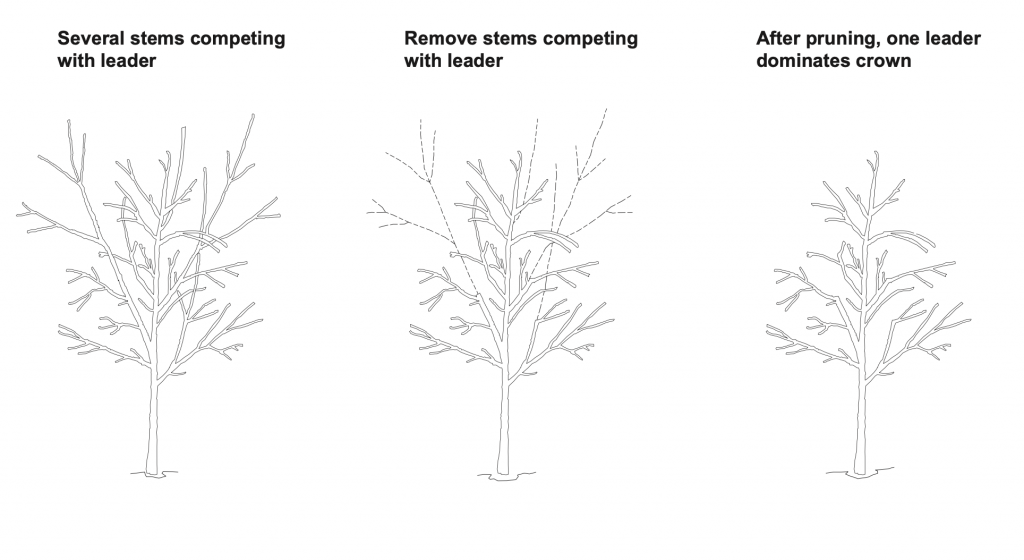
Planting a young tree is an investment in the future. When given proper care and attention, trees grow into strong, structurally sound specimens that provide beauty, shade, and environmental benefits for generations. However, without early intervention, trees can develop poor structure, increasing the likelihood of storm damage, limb failure, or costly corrective pruning later in life. One of the most critical practices for ensuring a tree’s longevity and safety is structural pruning to establish a central leader.
What is a Central Leader?
A central leader is the single, dominant trunk that extends upward and serves as the tree’s main structural framework. Many tree species, particularly shade trees such as oaks, maples, and lindens, naturally develop with a strong central leader, while others may require guidance through pruning. If left unchecked, young trees can develop multiple competing leaders, weak branch attachments, or an overly dense canopy, all of which can compromise their long-term stability.
Why is Structural Pruning Necessary?
1. Prevents Weak Branch Attachments
When a tree develops multiple leaders, these competing stems often form narrow, V-shaped crotches with included bark. Included bark occurs when bark becomes trapped between two stems, preventing strong wood-to-wood connections. These weak unions are prone to splitting, especially under the stress of wind, snow, or ice. By pruning to promote a single central leader, arborists can eliminate these structural weaknesses before they become major hazards.
2. Encourages Proper Growth Form
Young trees grow rapidly, and their natural growth habit may not always be conducive to long-term stability. Structural pruning guides the tree’s growth, ensuring a balanced framework that can support the canopy as it matures. By selecting and maintaining a dominant central leader, arborists encourage the tree to allocate its resources efficiently, reducing the likelihood of structural failure later in life.
3. Reduces the Need for Future Corrective Pruning
Pruning a young tree is far less invasive than making large cuts on a mature tree. When structural issues are addressed early, the need for heavy pruning in the future is minimized. Large pruning wounds on older trees take longer to heal and create entry points for pests and diseases. Early structural pruning sets a strong foundation, reducing maintenance costs and promoting tree health over time.
4. Increases Wind Resistance
Trees with multiple competing leaders or weak branch attachments are more susceptible to storm damage. A well-pruned tree with a strong central leader has a more aerodynamic shape, allowing wind to pass through more easily. This reduces the risk of branch breakage and whole-tree failure during extreme weather events.
5. Improves Aesthetic Value
A well-structured tree enhances the landscape’s beauty and value. Trees with a single, straight trunk and a balanced canopy are more visually appealing than those with a tangled or uneven growth habit. Proper pruning in the early years ensures that the tree develops into an attractive and functional part of the landscape.
Best Practices for Structural Pruning
1. Start Early
The best time to begin structural pruning is within the first few years after planting. Young trees heal quickly from pruning cuts, and shaping them early prevents the need for drastic intervention later.
2. Remove Competing Leaders
Identify the strongest, most upright stem as the central leader and remove any competing leaders. If a tree has already started forming multiple leaders, gradual pruning over multiple years may be necessary to avoid excessive stress on the tree.
3. Space Out Permanent Branches
Lower branches on young trees should be temporary and gradually removed as the tree grows. Permanent branches should be well spaced along the trunk, ideally 12–18 inches apart, to ensure a strong structure.
4. Make Proper Pruning Cuts
Always prune just outside the branch collar, where the branch meets the trunk. This allows the tree to properly seal the wound and reduce the risk of decay. Avoid leaving stubs or making flush cuts, as both can lead to health issues.
5. Prune in the Right Season
The best time for structural pruning is during the dormant season (late fall to early spring) when the tree is not actively growing. This minimizes stress on the tree and reduces the risk of disease transmission.
Conclusion
Structural pruning for a central leader is one of the most important steps in ensuring a tree’s long-term health and stability. By shaping young trees early, we prevent structural weaknesses, reduce maintenance costs, and enhance both safety and aesthetic appeal. Investing in proper pruning now sets the stage for strong, resilient trees that will thrive for decades to come. If you need assistance with structural pruning, consulting our certified arborists can ensure that your trees receive the best care possible.
"Every tree needs a Caretaker"
All Blog Posts
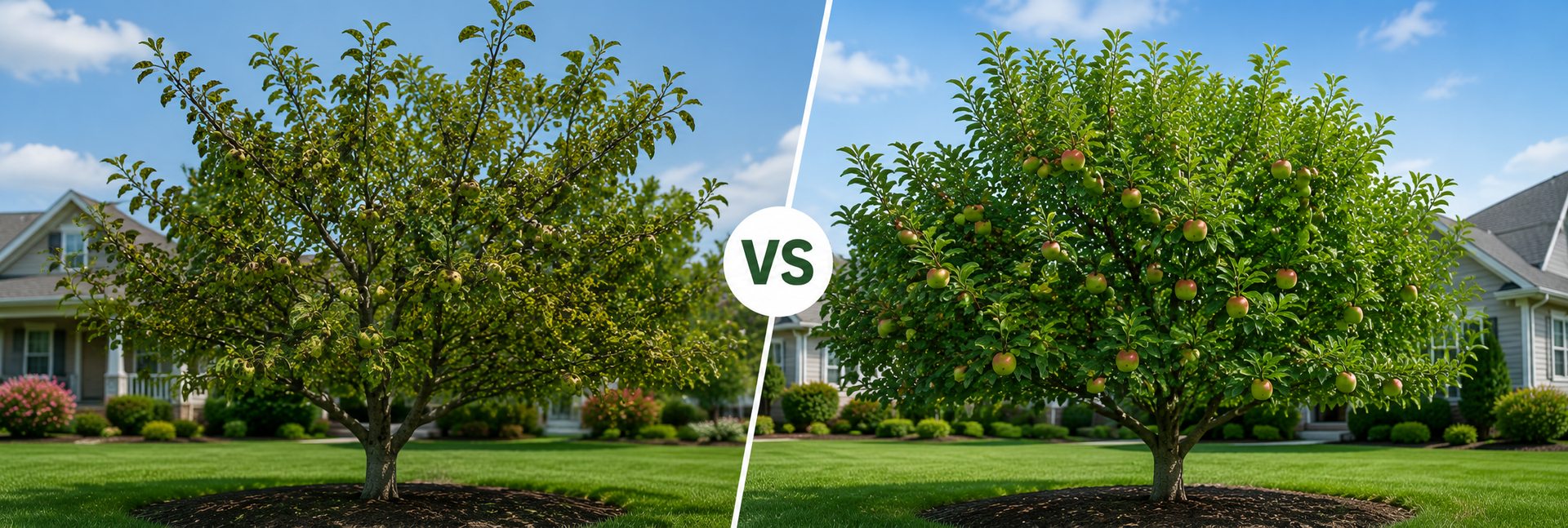
How to Prevent Apple Scab Disease in Kane County, IL

Here are a few of the most common trees we see throughout Kane County and how homeowners can help them thrive.
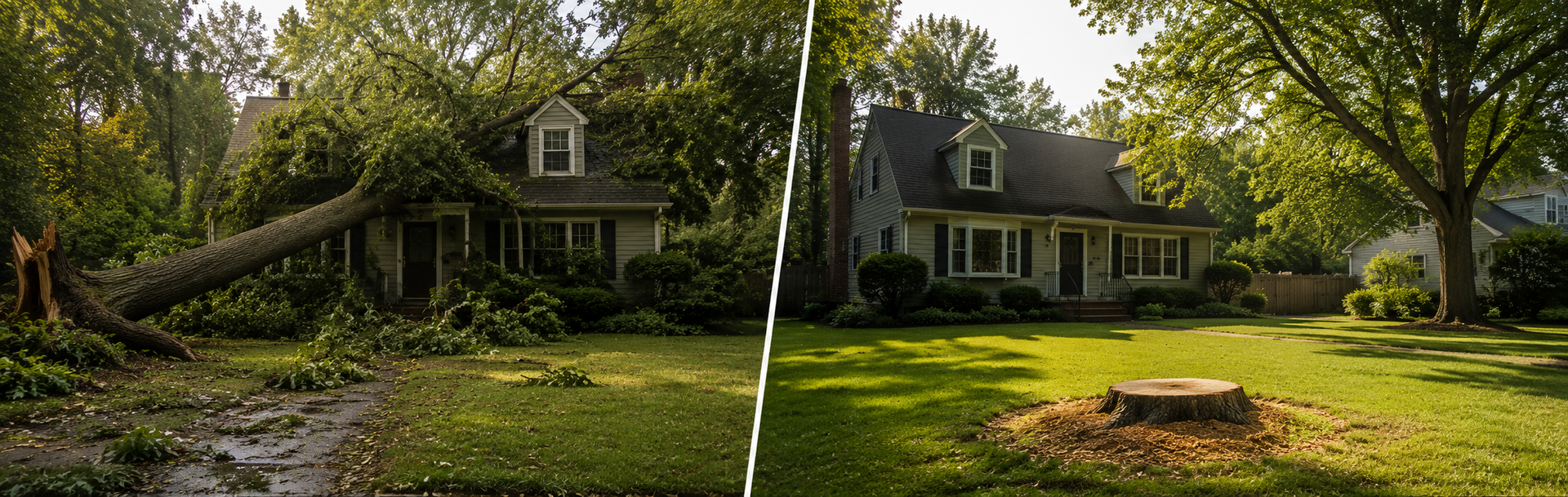
Taking a proactive approach to tree care during the summer can help protect your home, family, and landscape while reducing the likelihood of costly storm damage.
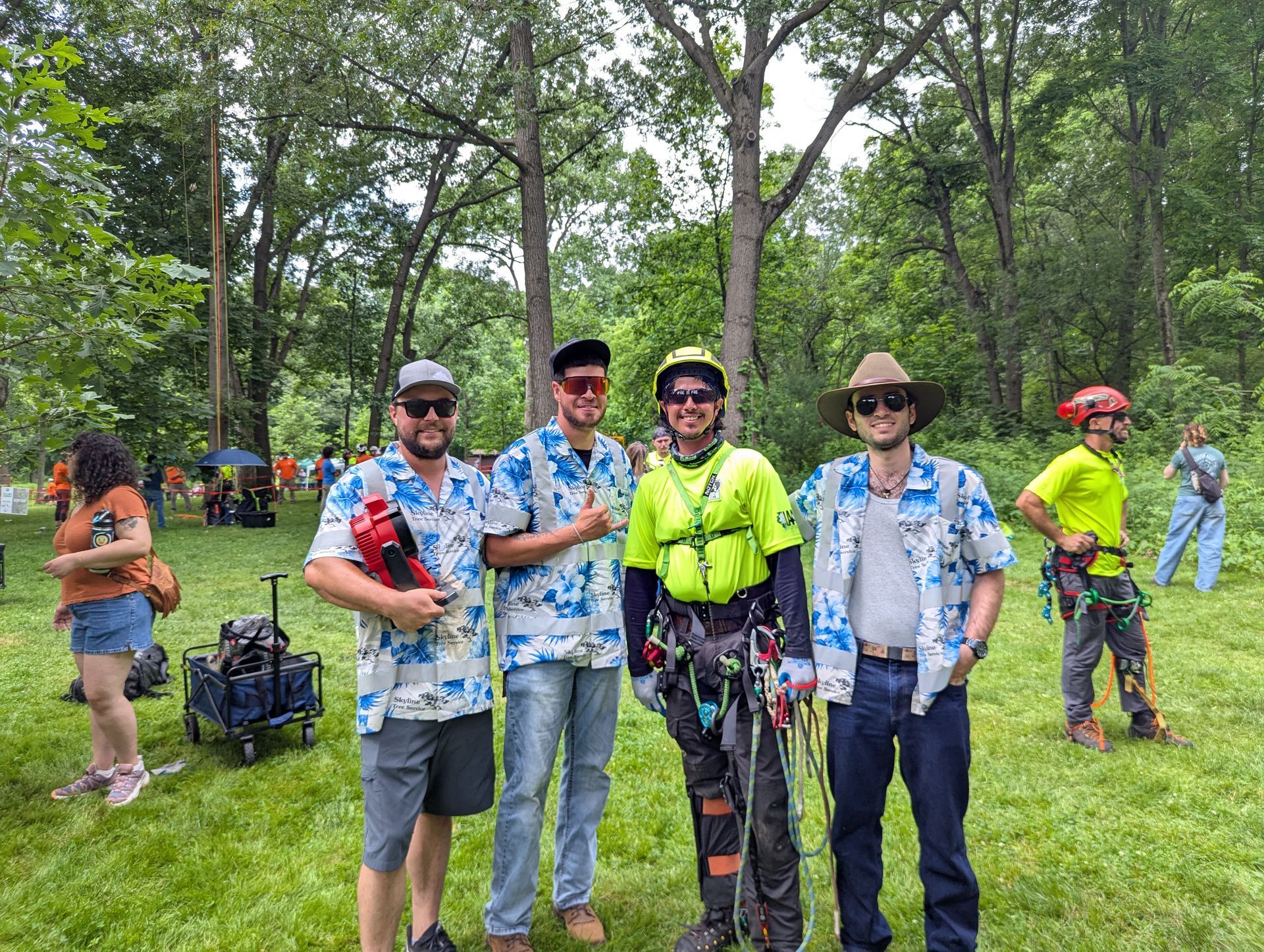
Skyline Tree Service participated in the IAA Tree Climbing Championship! We love participating in industry events and supporting our team members!
Discover what it's like to work at Skyline Tree Service in Kane County. Learn about our team, culture, career growth, and apply for arborist jobs today.
Kane County Chronicle Reader's Choice Awards: Skyline Tree Service Voted Best Tree Care Company in Kane County, IL.
Learn the difference between hiring a local family tree care company versus a national chain and why experience, relationships, and accountability matter.

Voted Kane County's 2025 Best Tree Service!
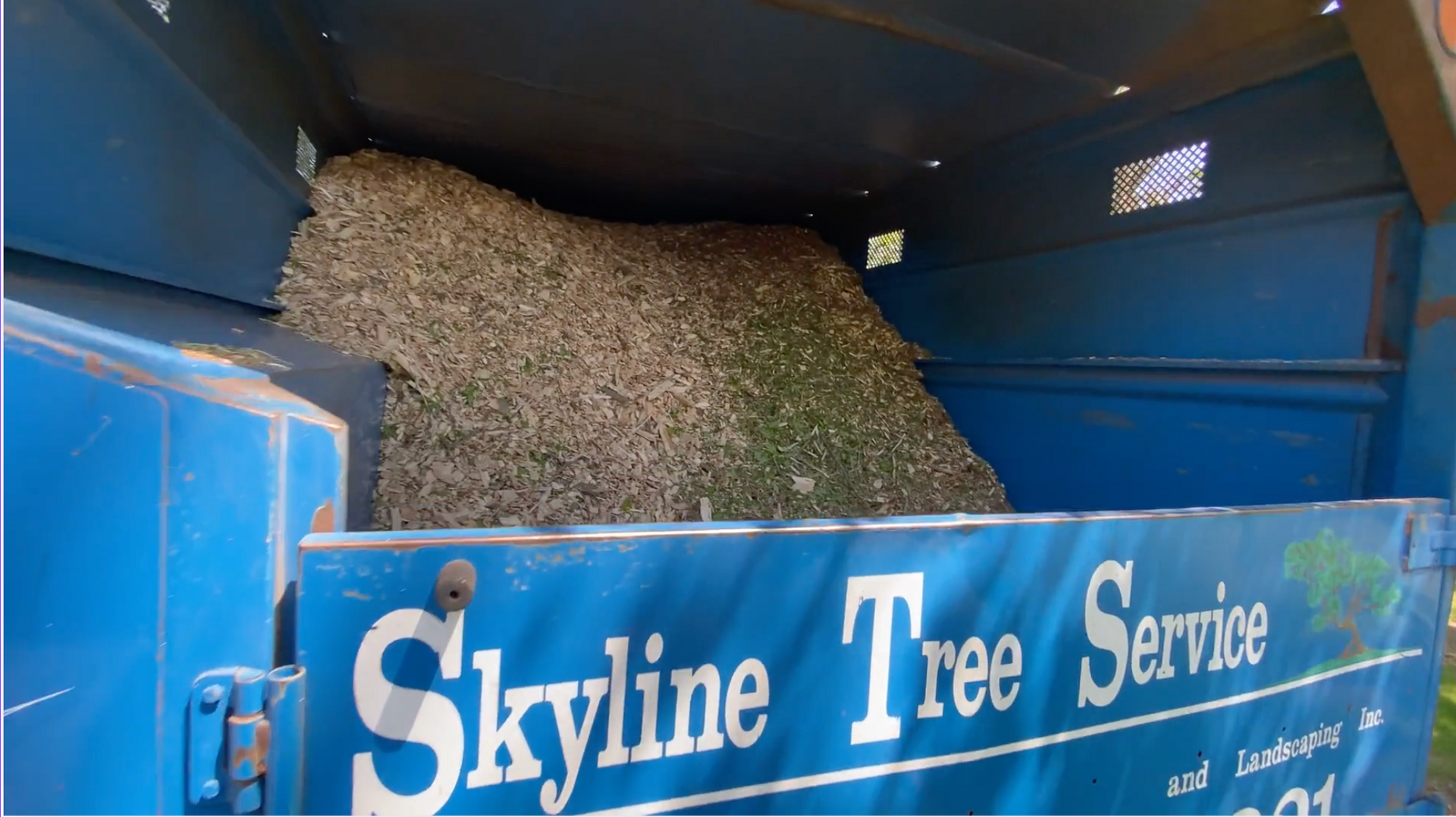
Skyline Tree Service can give you the wood chips or we can haul them away! The choice is yours!
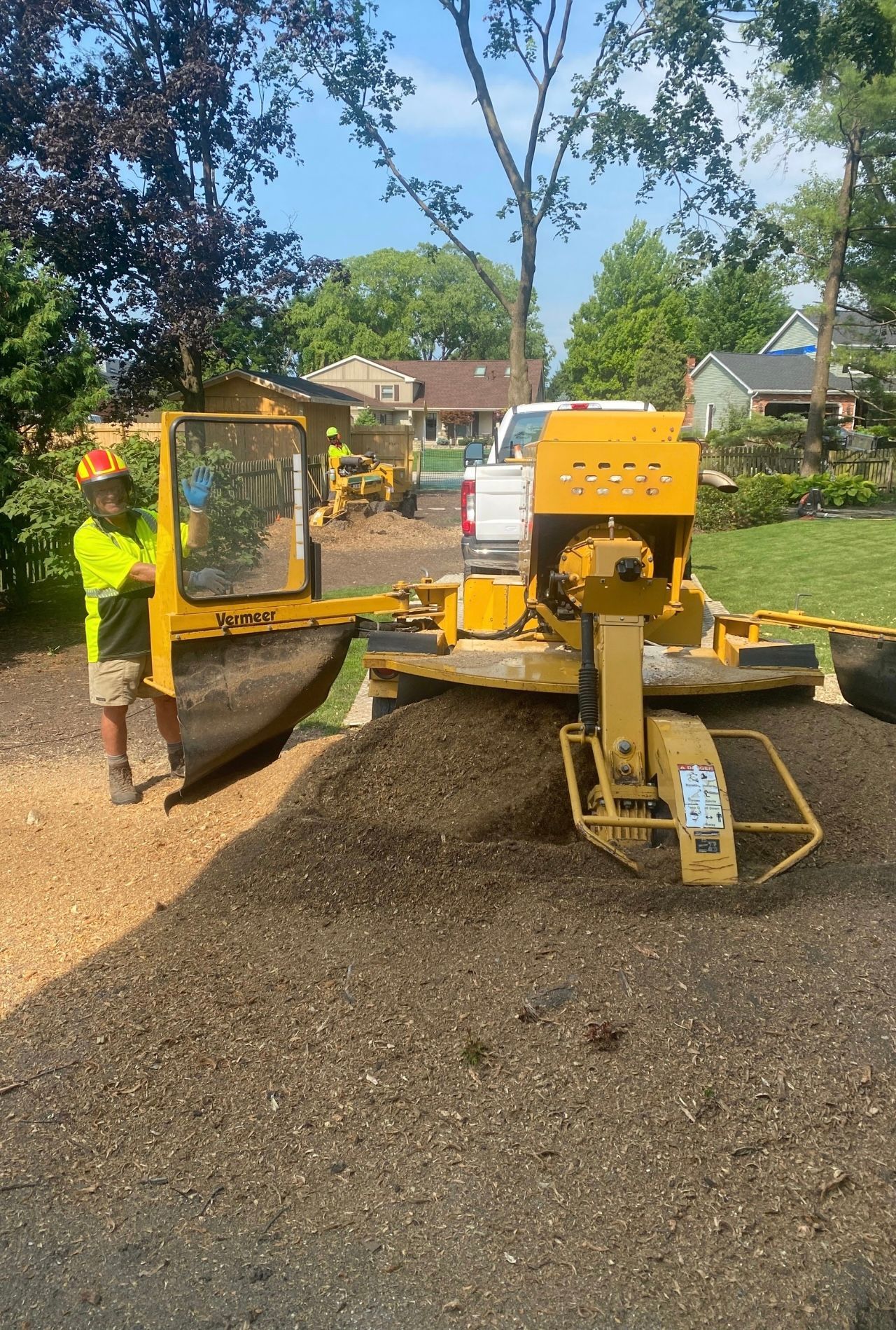
Learn about how stump grinding works and the machinery that goes into making the projects go by fast!