



Girdling Roots-Newly Planted Trees
andrew ranney • February 4, 2025
Girdling Roots: The Hidden Threat Beneath Newly Planted Trees
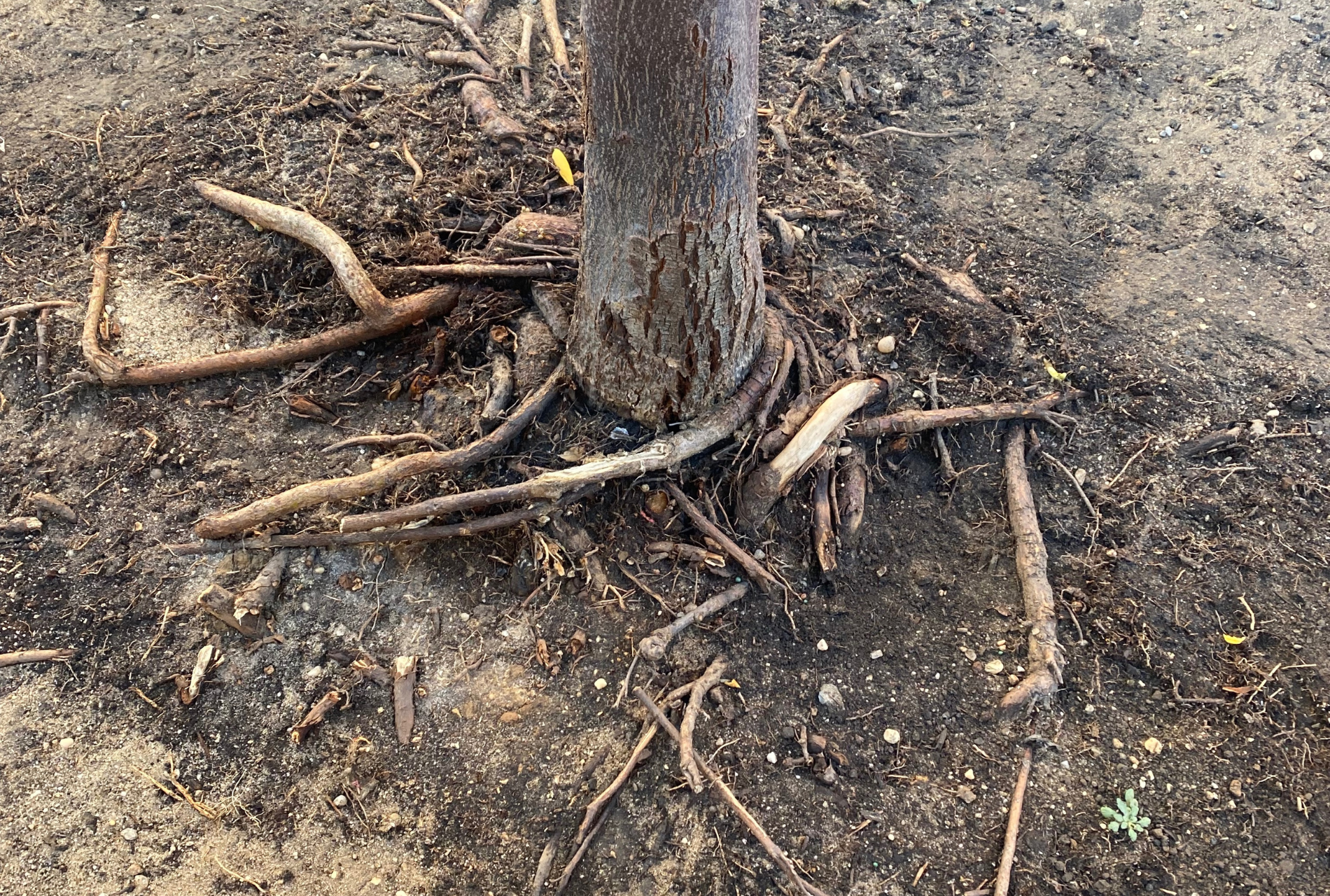
Why Newly Planted Trees Are at Risk
Girdling roots are a silent killer, especially for newly planted trees in urban and landscaped environments. They form when roots grow in a circular pattern around the base of a tree trunk, choking the tree by restricting the flow of water, nutrients, and sap. Left unchecked, they can lead to a slow decline in tree health and eventual tree death.
Newly planted trees are particularly vulnerable because they often come from nurseries where they were grown in containers or wrapped in ball-and-burlap. These restricted growing conditions encourage roots to circle tightly within the confined space. When these trees are planted without correcting root issues or if planted too deeply, girdling roots can quickly become a problem.
The Critical Role of an Open Root Flare for New Trees
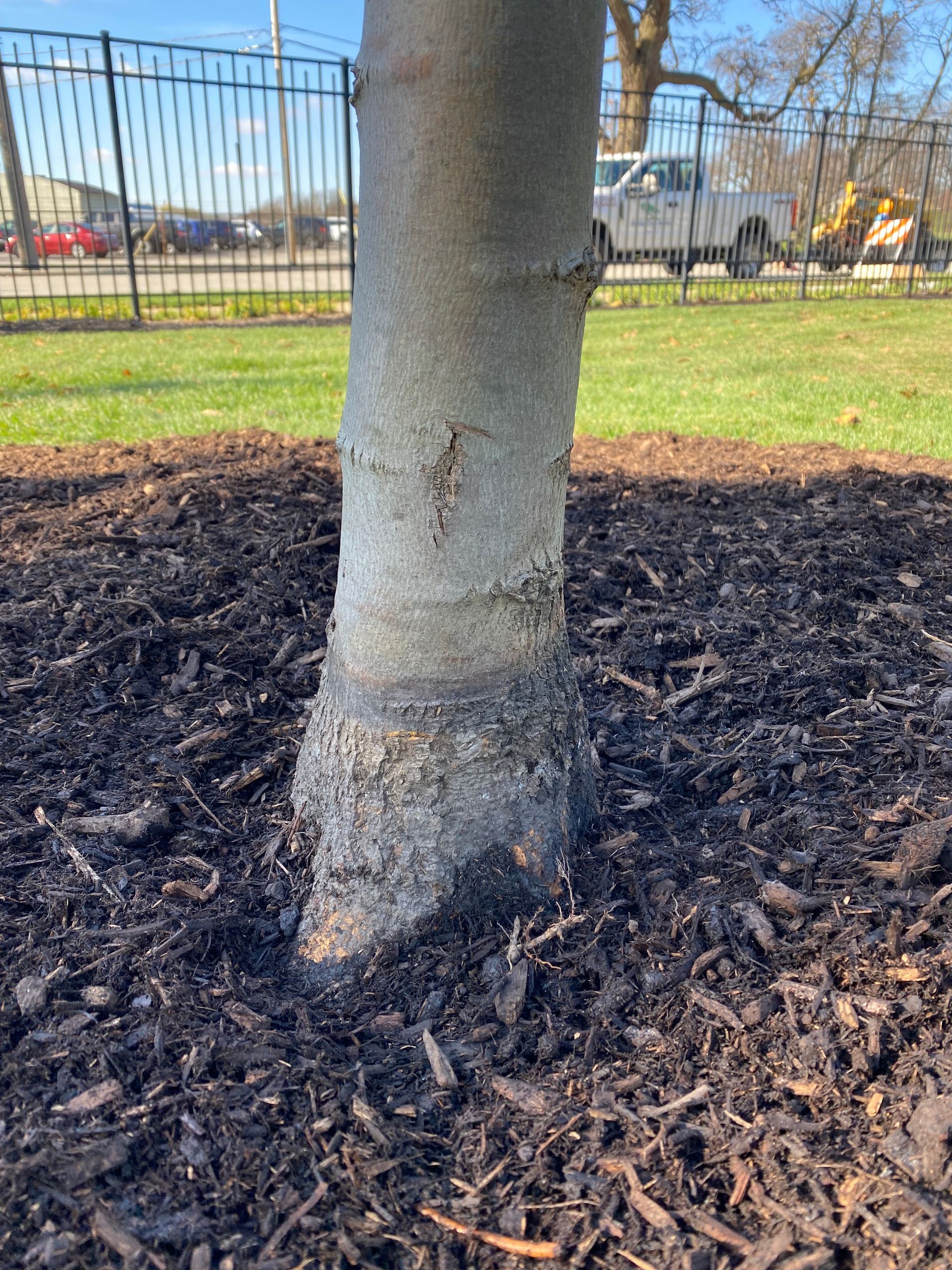
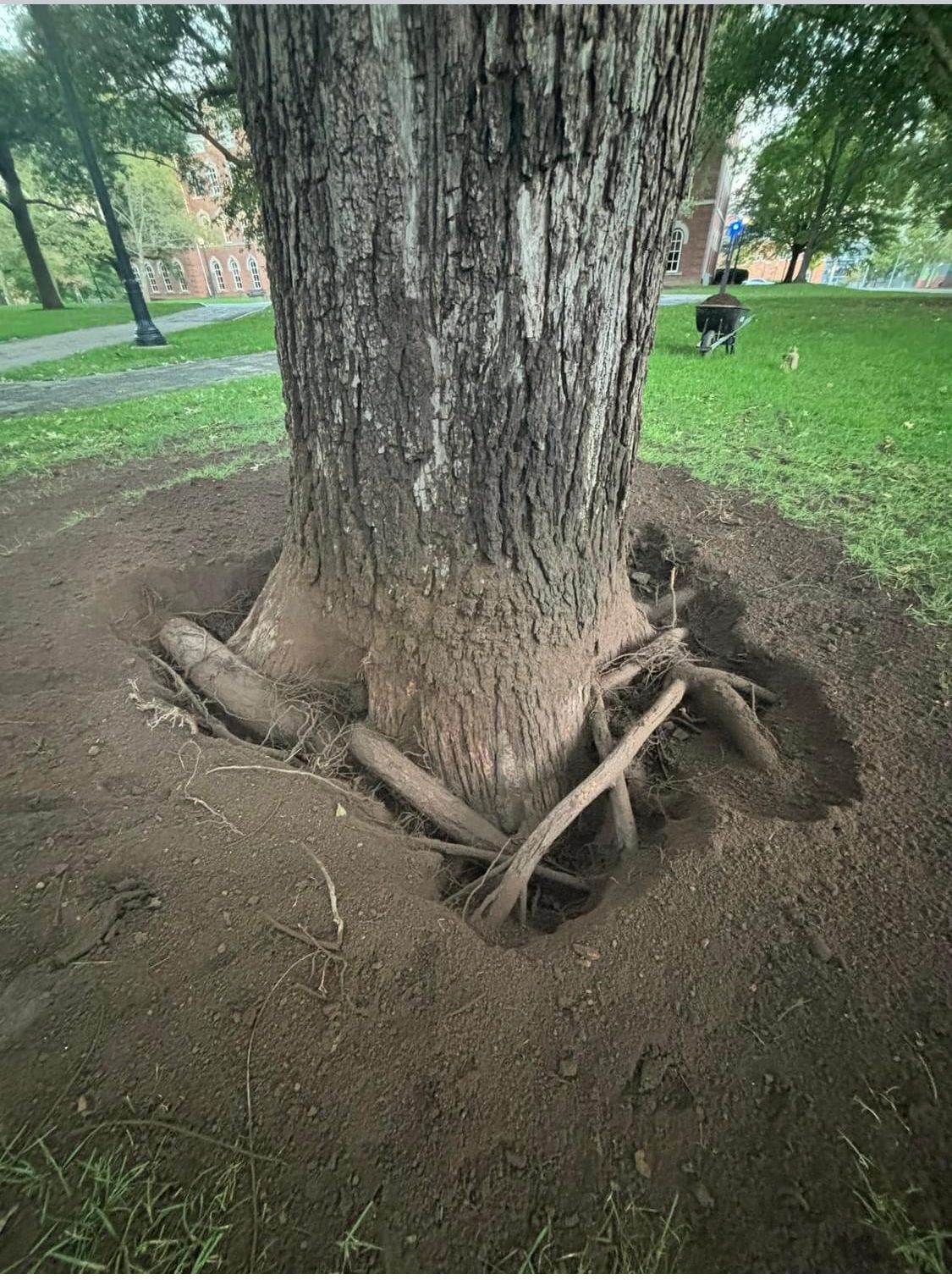
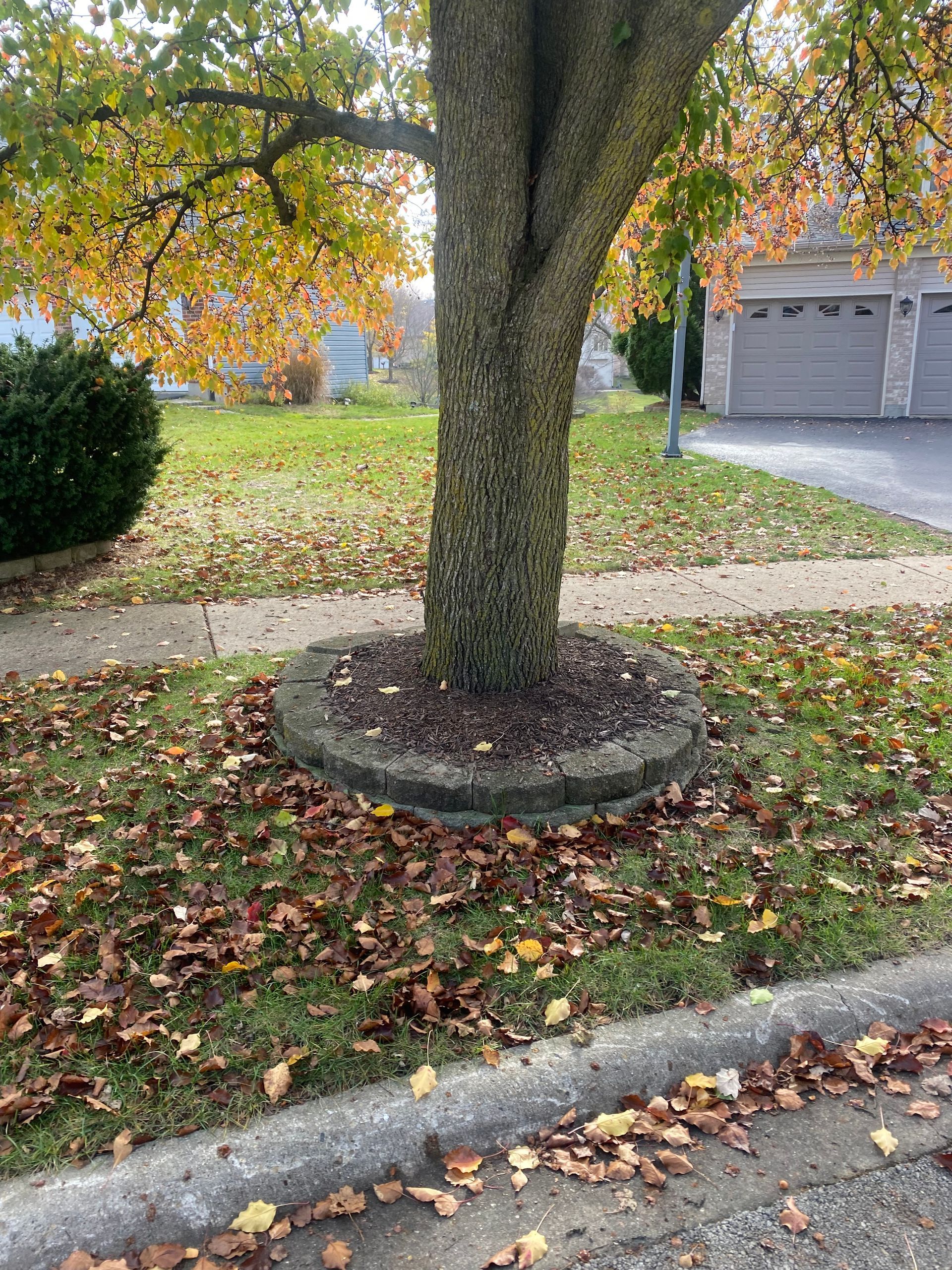
The root flare—the area where the tree trunk widens and transitions into roots—should always be visible above the soil. This flare is vital for tree stability, nutrient flow, and overall health. A buried root flare can suffocate the tree, promoting girdling roots, stunted growth, and increased susceptibility to pests and diseases. For newly planted trees, maintaining an open root flare is crucial to prevent girdling roots from developing and to support proper root establishment and long-term vitality.
How to Spot Girdling Roots in Newly Planted Trees
Watch for these signs that a newly planted tree may be suffering from girdling roots:
- No visible root flare at the soil surface
- Trunk looks like a telephone pole going straight into the ground
- Pinched or flattened trunk at the soil line
- Roots visibly circling the base of the tree
- Sparse, thin canopy with small, discolored, or scorched leaves
- Premature fall color changes and early leaf drop
- Dieback in upper branches
- Sunscald or frost cracks on the trunk
Assessment and Treatment with Root Collar Excavation
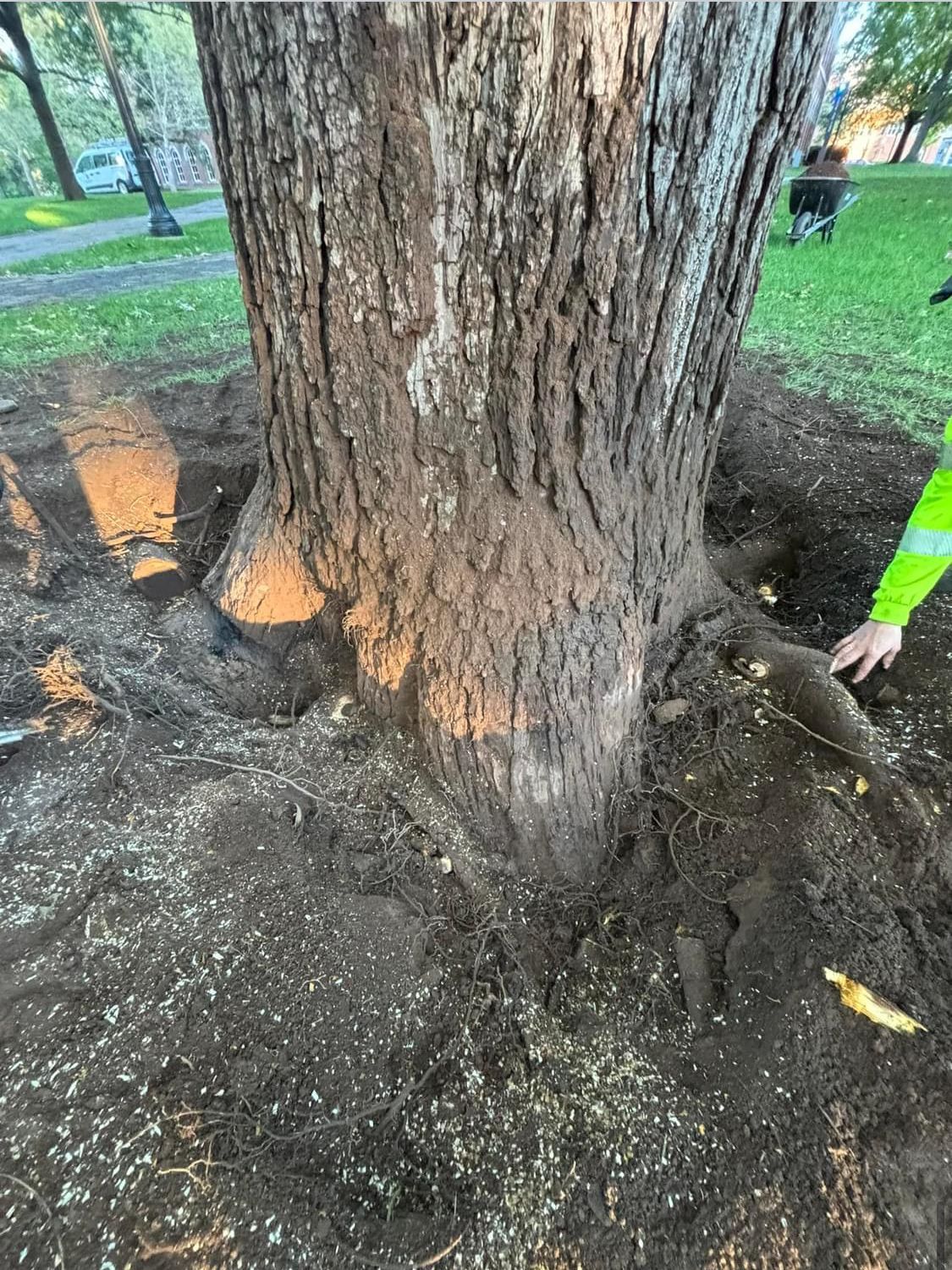
Diagnosing girdling roots in newly planted trees requires a professional root collar excavation using an Air Spade®. This specialized tool safely removes soil without harming the tree, exposing the root flare so we can identify and assess problematic roots.
Treatment often involves carefully removing the girdling roots to restore proper nutrient flow. The earlier this issue is caught in newly planted trees, the better the outcome. Proactive care can prevent long-term damage, reduce the risk of tree decline, and promote healthy growth from the start.
Ongoing Care for Newly Planted Trees
Newly planted trees stressed by girdling roots are more vulnerable to other environmental pressures. To keep them healthy:
- Prune dead or diseased branches regularly
- Ensure consistent watering, especially during establishment periods
- Keep mulch a few inches away from the trunk to prevent moisture buildup against the bark
- Utilize root care/fertilzation services to improve soil health and structure
- Monitor regularly for signs of pests and diseases
Safeguard Your Investment
With newly planted trees on your property, proactive root care is essential. Skyline Tree Service offers expert root collar excavation to detect and address girdling roots early, protecting your trees' health and ensuring their long-term growth and beauty. Early intervention can make the difference between thriving trees and costly removals and replacements.
All Blog Posts
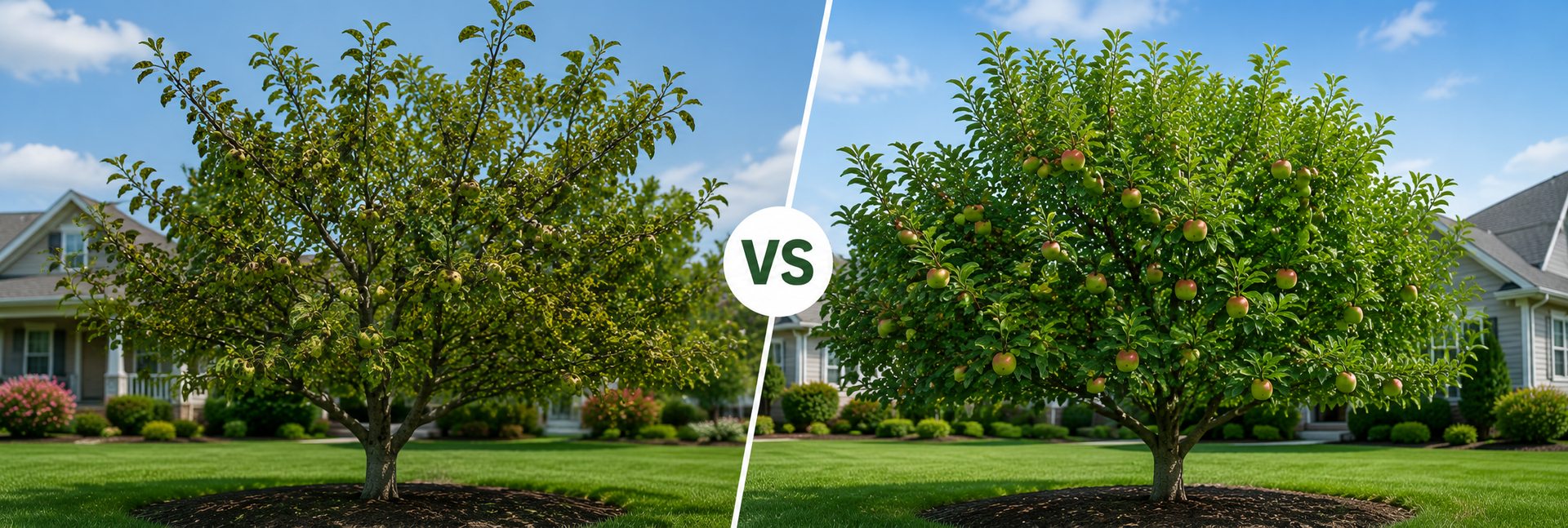
How to Prevent Apple Scab Disease in Kane County, IL

Here are a few of the most common trees we see throughout Kane County and how homeowners can help them thrive.
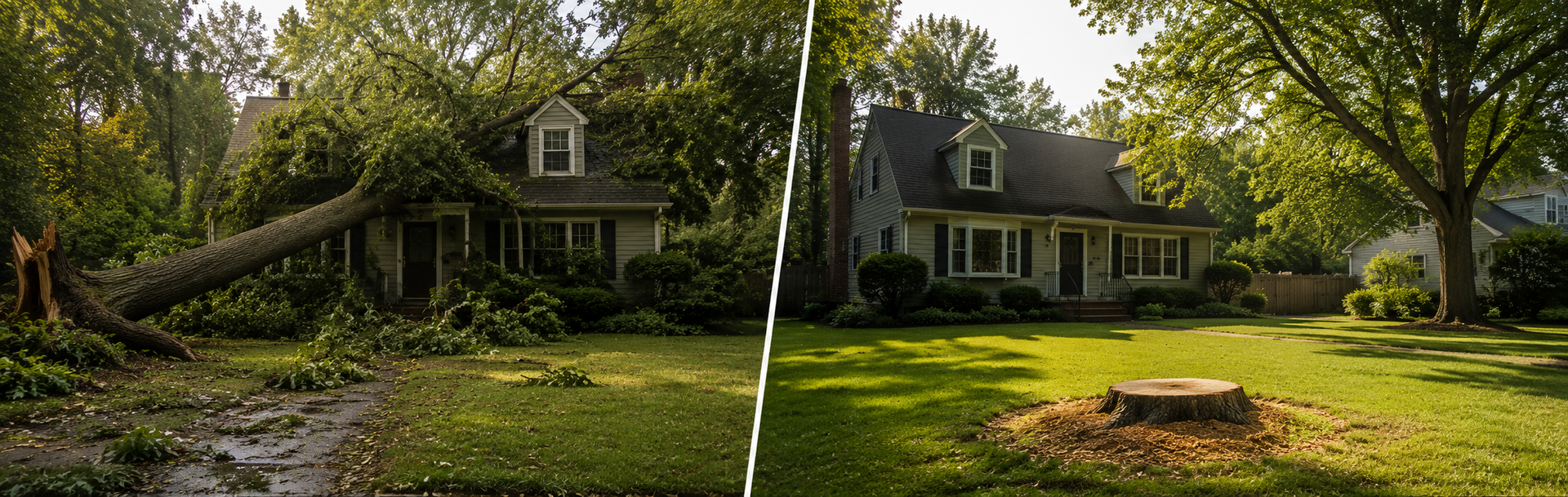
Taking a proactive approach to tree care during the summer can help protect your home, family, and landscape while reducing the likelihood of costly storm damage.
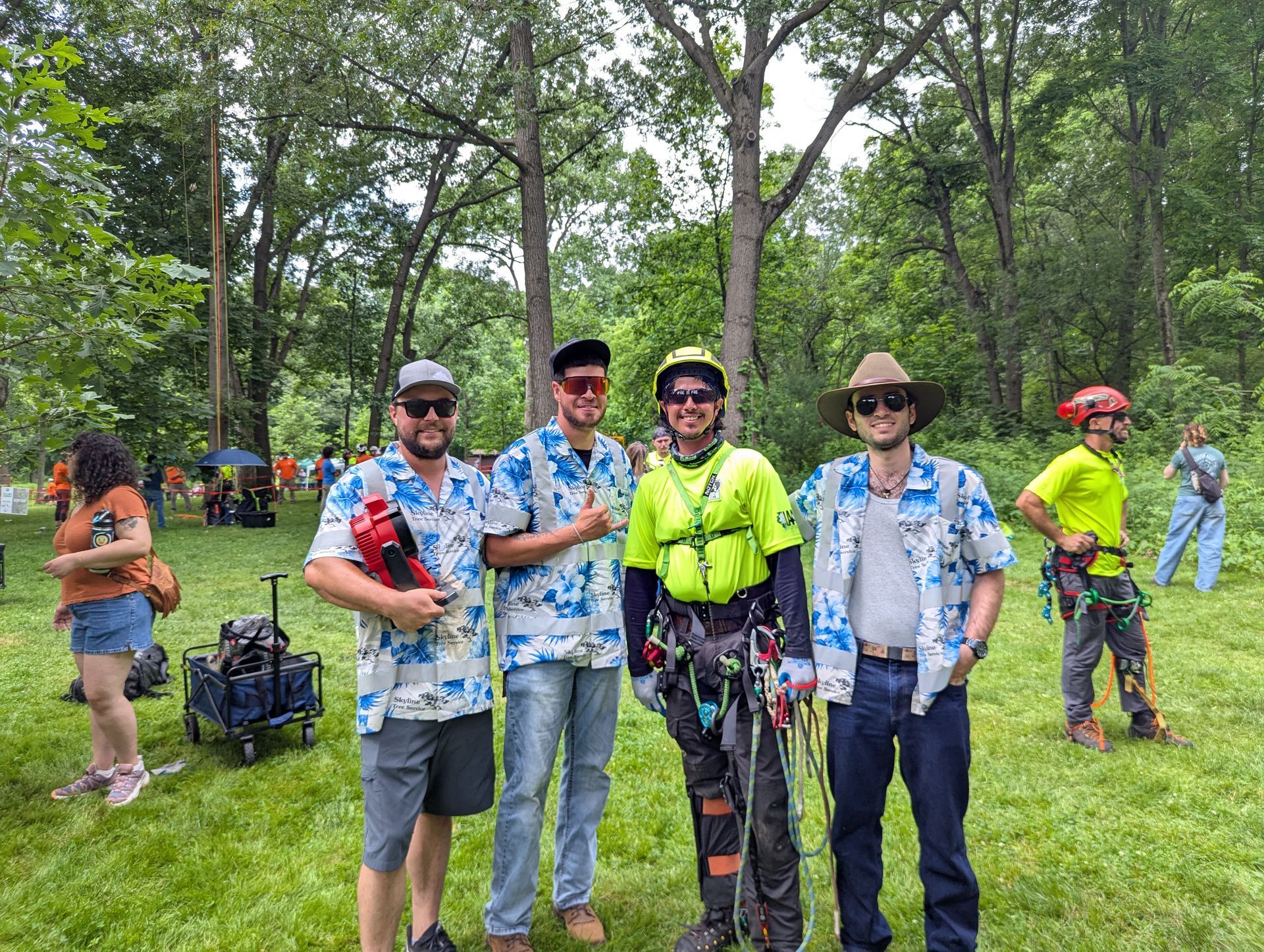
Skyline Tree Service participated in the IAA Tree Climbing Championship! We love participating in industry events and supporting our team members!
Discover what it's like to work at Skyline Tree Service in Kane County. Learn about our team, culture, career growth, and apply for arborist jobs today.
Kane County Chronicle Reader's Choice Awards: Skyline Tree Service Voted Best Tree Care Company in Kane County, IL.

Learn the difference between hiring a local family tree care company versus a national chain and why experience, relationships, and accountability matter.

Voted Kane County's 2025 Best Tree Service!
Skyline Tree Service can give you the wood chips or we can haul them away! The choice is yours!
Learn about how stump grinding works and the machinery that goes into making the projects go by fast!