

Tree Services in South Elgin, IL

Safe, Professional Tree Care from Certified Arborists

Request Quote

Trusted Tree Care Company in South Elgin, IL


Healthy, well-maintained trees add beauty, shade, and value to your property, but they also require proper care to remain safe and thriving. Skyline Tree Service proudly provides professional tree services in South Elgin, IL, helping homeowners, businesses, and property managers protect their landscapes with expert tree care solutions. Whether you're dealing with storm damage, overgrown branches, declining trees, or simply want to keep your property looking its best, our experienced team is ready to help.


Our Professional Tree Services in South Elgin

From preventative maintenance to emergency response, Skyline Tree Service offers complete tree care services throughout South Elgin.

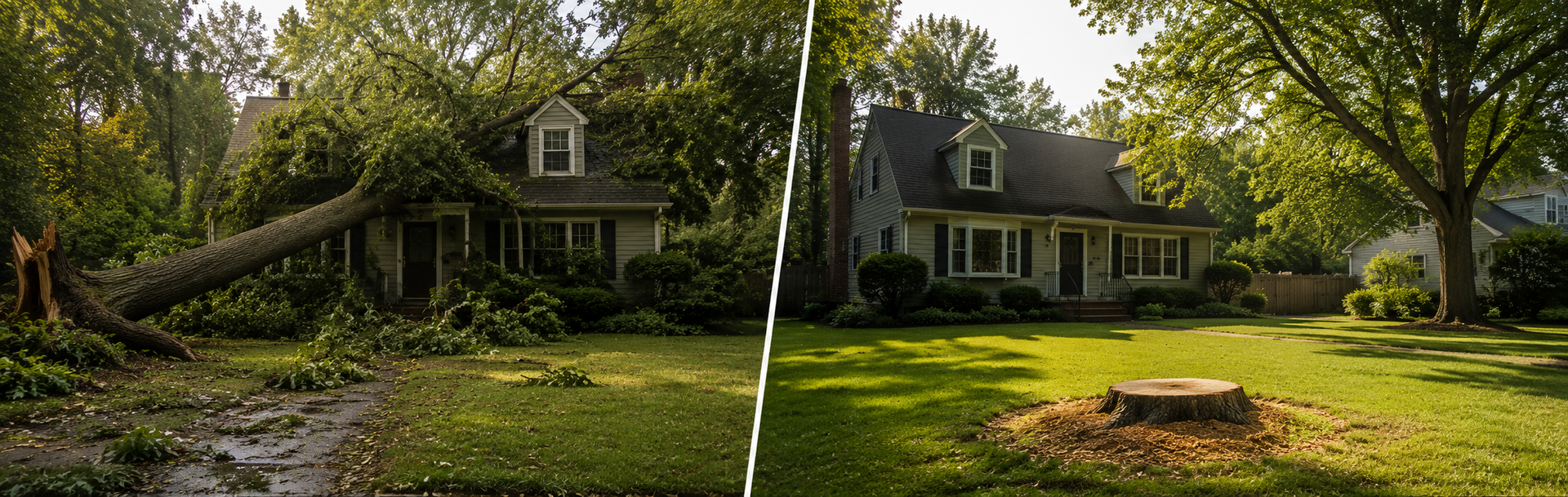
Tree Removal – Remove dangerous, diseased, storm-damaged, or unwanted trees safely with professional equipment and experienced crews.


Tree Trimming & Crown Pruning – Promote healthy tree growth, improve structure, remove deadwood, and maintain attractive, well-balanced canopies.


Plant Health Care (PHC) – Improve tree vitality through fertilization, disease prevention, insect management, and ongoing health monitoring.


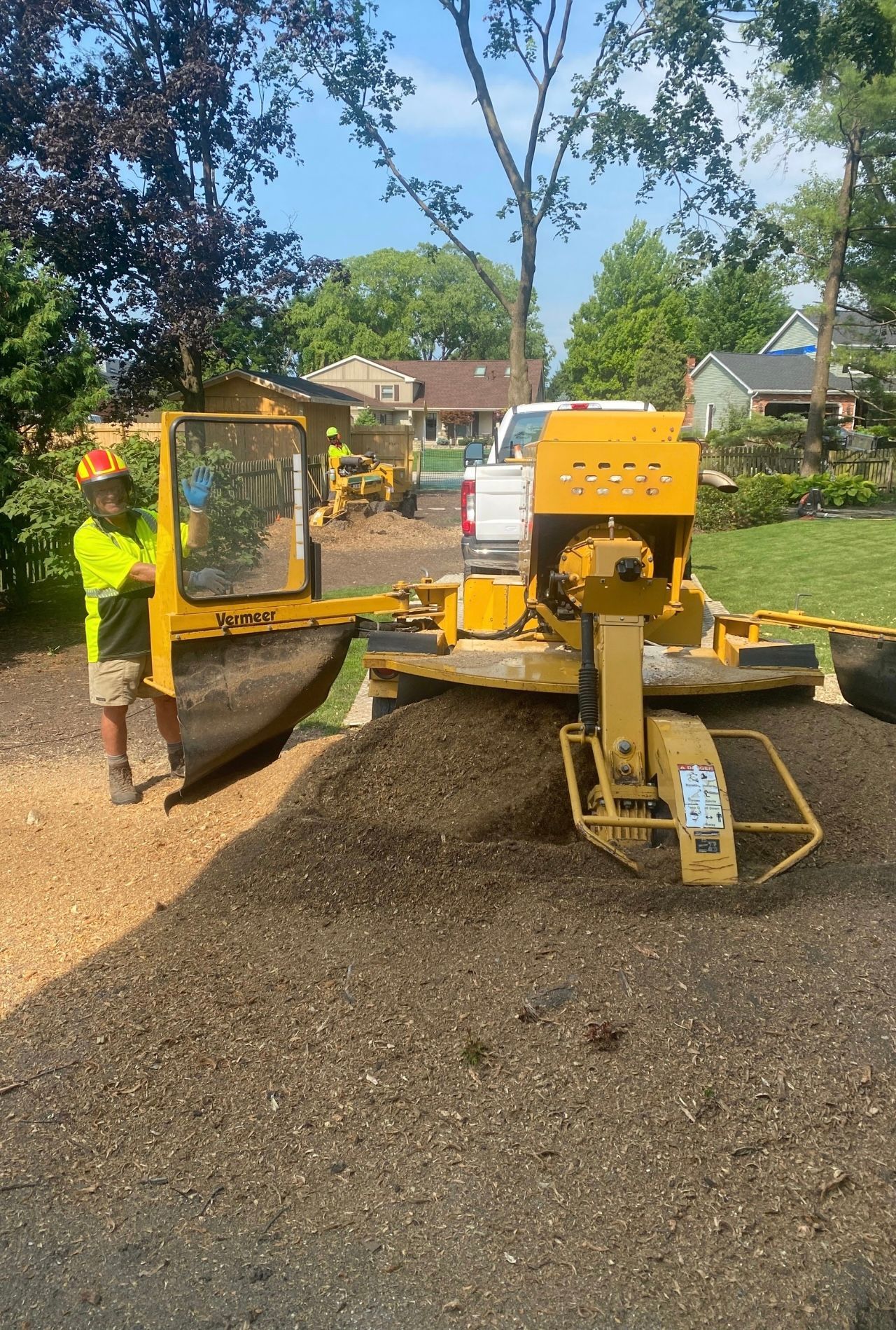
Stump Grinding & Stump Removal – Remove old stumps to improve safety, increase usable yard space, and enhance the appearance of your landscape.


Emergency Tree Services – Available to respond quickly after storms to remove fallen trees, hazardous limbs, and storm-related debris.


Tree Risk Assessments – Professional evaluations that identify safety concerns before they become expensive property damage or emergency situations.


Commercial Tree Management – Reliable tree maintenance for office complexes, retail properties, municipalities, apartment communities, and HOAs.


Line Clearing – Tree and brush removal services near electrical lines and power grids. When safety matters, trust Skyline Tree Service.

Helping Trees on Your South Elgin Properties Stay Safe and Beautiful


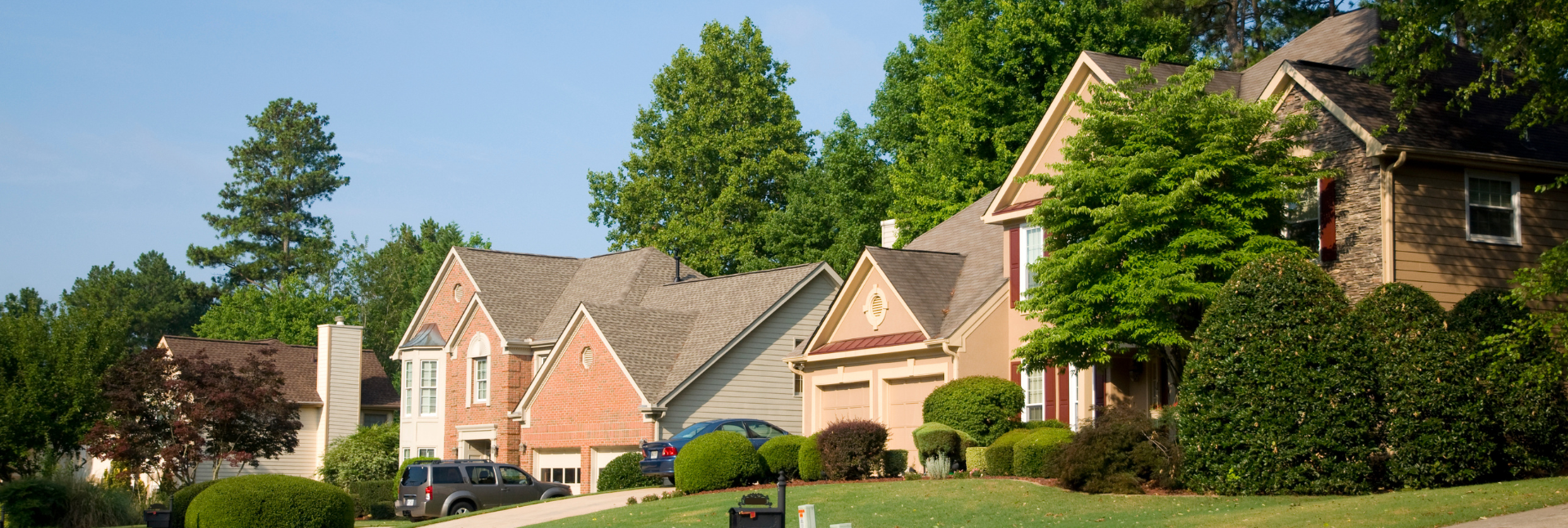
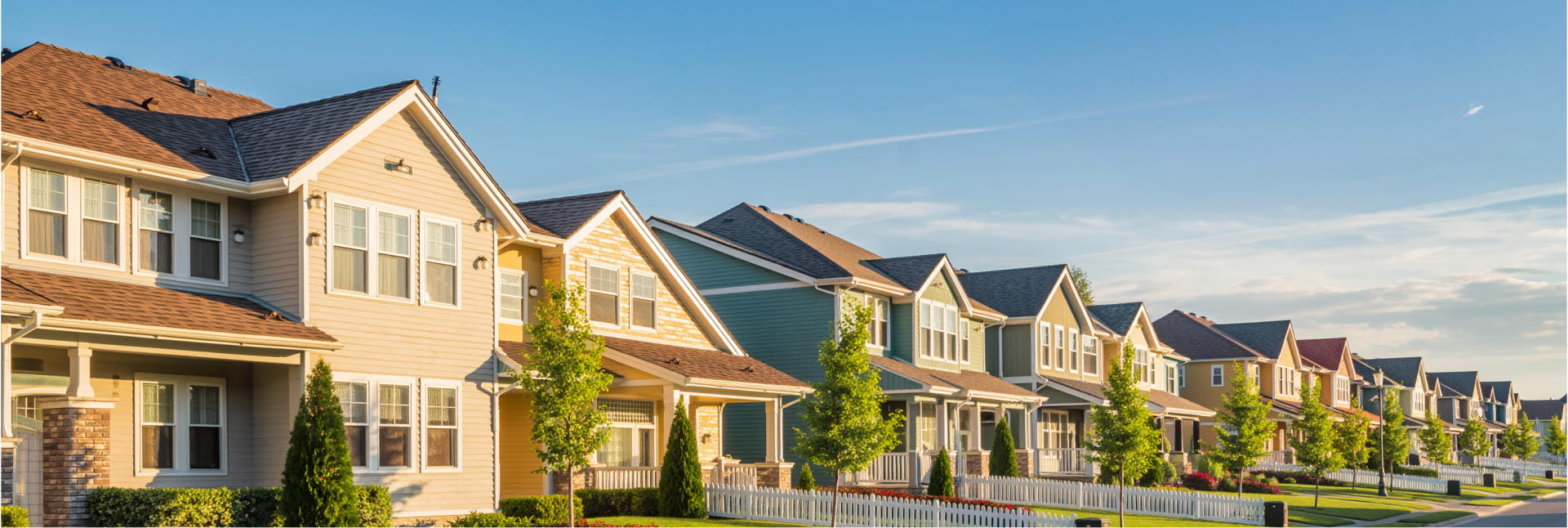
South Elgin is known for its beautiful neighborhoods, mature tree-lined streets, parks, and growing residential developments. These landscapes require ongoing maintenance to protect both property values and public safety.


Our team works with homeowners and businesses to develop long-term tree care plans that keep trees healthy while reducing the likelihood of storm damage, disease, and structural failures.


Whether you own a single-family home, manage commercial property, or oversee an HOA, Skyline Tree Service provides customized recommendations based on your property's unique needs.

We believe proactive tree care is one of the best investments property owners can make.


Experience the Skyline Tree Service Difference In South Elgin

When choosing a tree company, experience, communication, and safety matter.


Skyline Tree Service combines knowledgeable arborists, specialized equipment, and exceptional customer service to deliver reliable results from start to finish. Every project begins with a careful evaluation and honest recommendations designed to preserve healthy trees whenever possible while addressing potential hazards.


As the 2026 Kane County Chronicle Best Tree Service in the Fox Valley, we're proud to serve South Elgin with the same professionalism and attention to detail that has earned the trust of customers throughout the region.


About Us

Request Your Free Tree Service Estimate Today


Whether you're planning seasonal tree maintenance, need emergency storm cleanup, or want expert guidance on the health of your landscape, Skyline Tree Service is ready to assist.


Contact us today to schedule your free estimate and discover why homeowners and businesses throughout South Elgin continue to choose Skyline Tree Service for dependable, high-quality tree care.


Request a Quote / Schedule Today

Tree Care Coupons

Save money on tree services with Skyline Tree!

10% Off Tree Care

Get your coupon today!

Get Discount →

FAQs

South Elgin Tree Care FAQ's

  • Do you provide free estimates in South Elgin, IL?

    Yes. We offer free, no-obligation estimates for all residential and commercial tree services throughout South Elgin.


  • What tree services are most common in South Elgin?

    Many homeowners contact us for tree trimming, hazardous tree removal, stump grinding, storm damage cleanup, and preventative plant healthcare.


  • Can you inspect trees for storm damage or safety concerns in South Elgin?

    Absolutely. Our professional tree risk assessments help identify weak limbs, structural defects, decay, and other issues before they become major hazards.


  • What are the benefits of routine tree pruning in South Elgin?

    Regular pruning improves tree health, removes dead or damaged branches, enhances appearance, and helps reduce the risk of storm-related failures.


  • Do you offer tree care for businesses and HOAs in South Elgin?

    Yes. Skyline Tree Service provides ongoing commercial tree maintenance for businesses, municipalities, apartment communities, and homeowner associations.


  • Are your crews fully insured for tree work in South Elgin?

    Yes. Our team is fully insured and follows professional safety standards on every project to protect both our customers and employees.


  • What tree species commonly require professional care in South Elgin, IL?

    South Elgin is home to a diverse mix of oak, maple, ash, sycamore, honey locust, hackberry, spruce, pine, crabapple, and ornamental landscape trees. These trees often benefit from routine pruning, disease management, insect treatments, structural support, and preventative maintenance to remain healthy and withstand Illinois weather conditions. Professional inspections can help identify potential issues early and extend the life of your trees.


Still have a question?

Call Our Office For Fast and Easy Responses

Call Us

Our Tree Service and Plant Health Care Knowledge Center


Skyline Tree Service’s Knowledge Center is designed to help homeowners and property managers better understand tree care, maintenance, and long-term plant health. We provide practical, easy-to-follow information on topics such as tree pruning, removal, storm preparedness, and plant healthcare so customers can make informed decisions about their property. Our goal is to not only deliver professional services, but also to educate our customers on how to protect, maintain, and improve the health and safety of their trees throughout every season.
StormPreventionandtreecare
By Andrew Ranney June 26, 2026
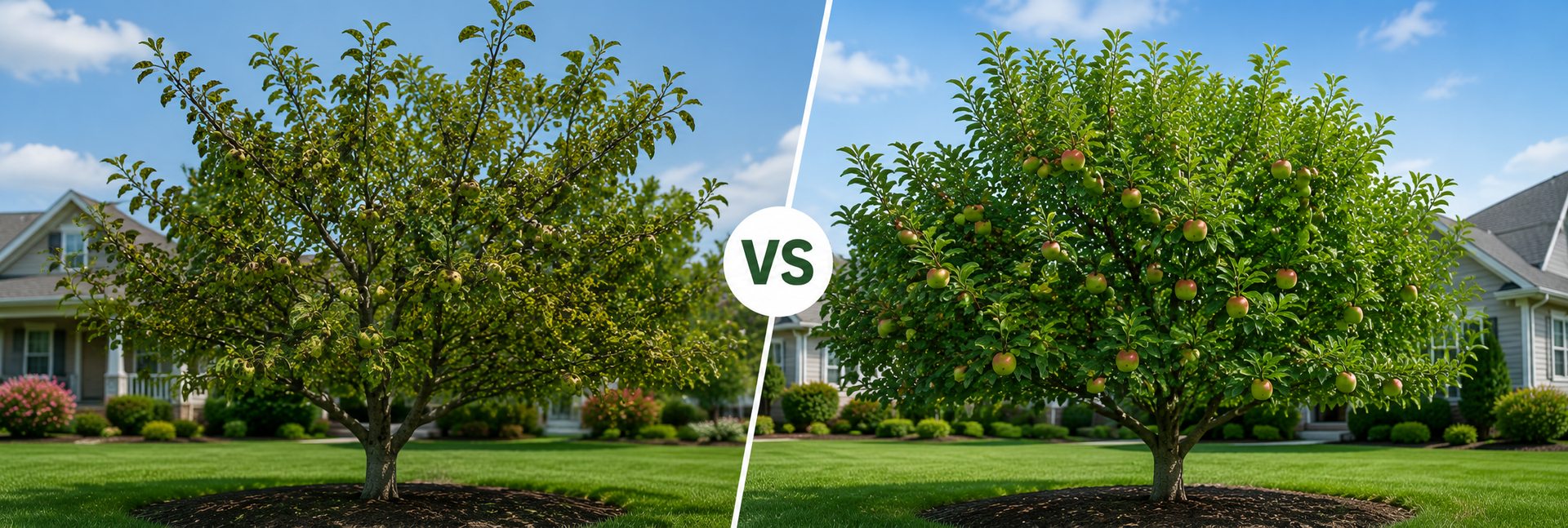
Taking a proactive approach to tree care during the summer can help protect your home, family, and landscape while reducing the likelihood of costly storm damage.
Work for skyline tree service
By Andrew Ranney June 26, 2026
Discover what it's like to work at Skyline Tree Service in Kane County. Learn about our team, culture, career growth, and apply for arborist jobs today.
By Andrew Ranney May 21, 2026
Learn the difference between hiring a local family tree care company versus a national chain and why experience, relationships, and accountability matter.
What we do with the woodchips
By Andrew Ranney May 14, 2026
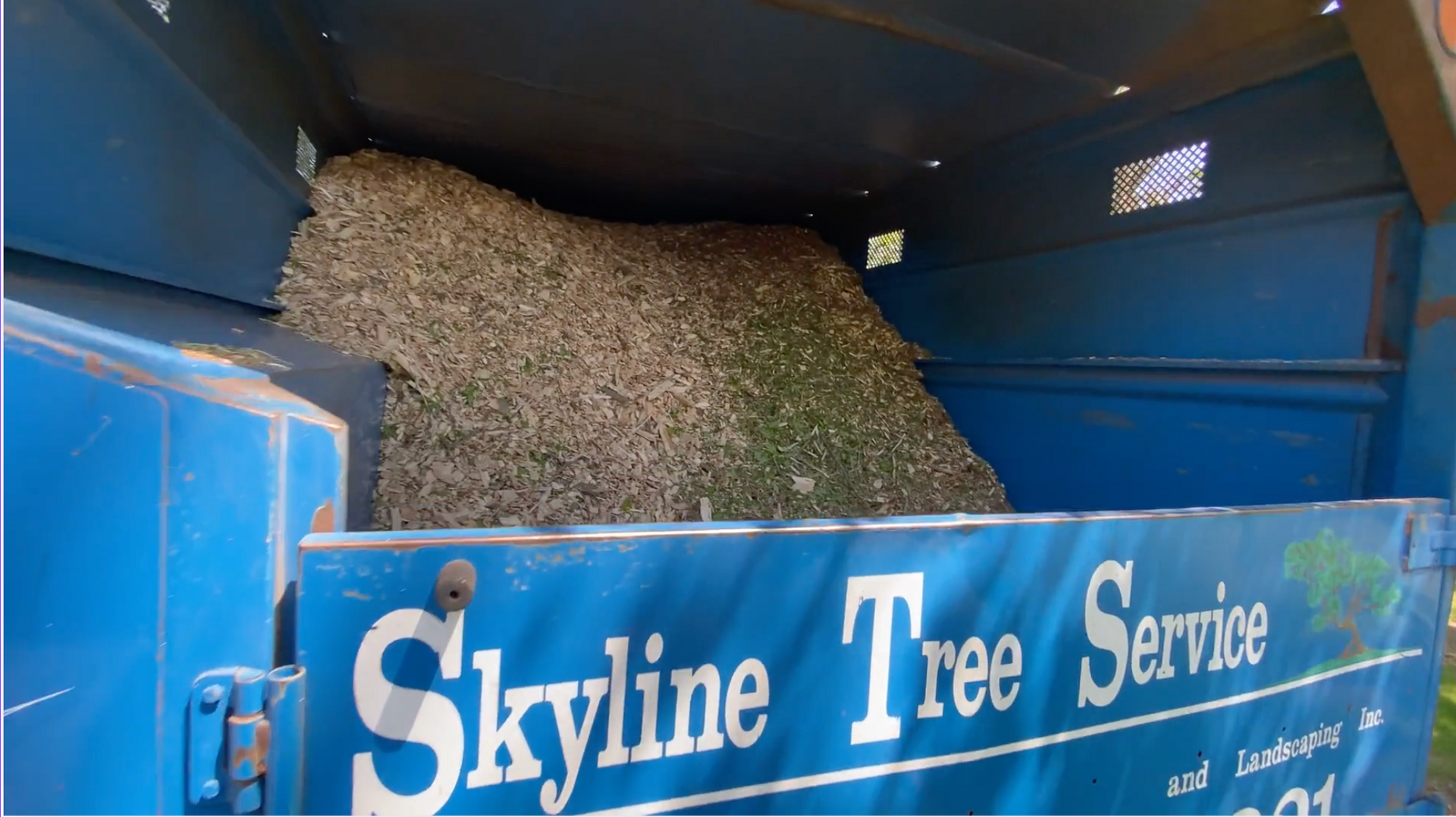
Skyline Tree Service can give you the wood chips or we can haul them away! The choice is yours!
Stump Grinding in Fox Valley
By Andrew Ranney May 14, 2026
Learn about how stump grinding works and the machinery that goes into making the projects go by fast!
Tree Service Cost Price Guide
By Andrew Ranney April 10, 2026
How much does tree service cost in Illinois? Learn what impacts pricing and how to budget for tree removal, trimming, and plant healthcare.
How to Spot Dangerous Trees
By Andrew Ranney April 10, 2026
Worried about a dangerous tree? Learn 5 warning signs before storm season and when to consider professional tree removal in Illinois.
Spring Tree Care Guide
By Andrew Ranney April 10, 2026
Learn when to trim, remove, and treat trees this spring in Illinois. Expert tips from Skyline Tree Service to protect your property.
By Andrew Ranney March 6, 2025
If you’ve been researching tree care services, you may have noticed that many companies offer free estimates. So why does Skyline Tree Service charge for consultations? The answer lies in the difference between a consultative sales arborist and a consulting arborist. At Skyline Tree Service, we don’t just sell tree services—we provide expert advice based on science, experience, and industry-leading credentials. When you schedule a consultation with us, you’re paying for professional expertise, not a sales pitch. The Difference Between a Free Estimate and a Paid Consultation Many tree care companies provide free estimates because their goal is to sell a service. Whether it’s pruning, removal, or treatment, their business model is based on closing a sale, which means the assessment is often biased toward recommending work—whether it’s necessary or not. On the other hand, a paid consultation is for homeowners who aren’t sure what their trees need and want expert guidance on the best course of action. This is where we come in. At Skyline Tree Service, we charge $150 for a 30-45 minute site evaluation because you are receiving professional, unbiased recommendations from a highly qualified expert, Andrew. Our goal is not to sell you a service—it’s to provide the best advice for your trees. Sometimes, that advice may be to take action, but in other cases, the best thing for the tree is to leave it alone. Unlike companies that only profit from selling work, we ensure you get an honest assessment—whether it leads to a service or not. The Value of Hiring a Qualified Arborist When you pay for a consultation, you’re not just hiring any tree service provider—you’re hiring someone with extensive education, training, and certifications in tree care. As the owners son and lead arborist at Skyline Tree Service, I bring: ✅ A degree in Urban Forestry from Southern Illinois University ✅ ISA Certified Arborist (IL-9499A) ✅ Tree Risk Assessment Qualification (TRAQ) ✅ Certified Treecare Safety Professional (CTSP) ✅ Expertise in tree appraisal and long-term tree health strategies This level of knowledge allows me to assess your trees from a scientific and safety-based perspective, not just from a sales standpoint. I take into account factors like species, health, structural integrity, root issues, soil conditions, and long-term tree care strategies—things that an unqualified estimator may overlook. Why Paying for a Consultation Saves You Money It may seem counterintuitive to pay for advice when other companies offer free assessments. However, hiring an expert can actually save you money in the long run. Here’s how: 1️⃣ Avoid Unnecessary Work – If a company’s goal is to sell a service, they may recommend pruning or treatments that your tree doesn’t actually need. A paid consultation ensures that you only invest in necessary and beneficial tree care. 2️⃣ Prevent Costly Mistakes – Incorrect pruning, overuse of treatments, or unnecessary removals can cause long-term damage to your trees. Having an expert evaluation upfront helps prevent costly errors. 3️⃣ Preserve Tree Value – A mature tree can add thousands of dollars to your property value. Removing a tree unnecessarily or failing to address hidden risks can result in lost property value or expensive damage later on. 4️⃣ Safety & Liability – Trees with hidden defects or poor structure pose serious risks to property and people. With advanced risk assessment training, I can help you make informed decisions that protect your home and family. When Do We Offer Free Estimates? We understand that not every tree service needs a full consultation. That’s why we offer free estimates for clients who already know what work needs to be done. If you’ve decided that a tree needs pruning, removal, or a specific treatment, we can provide a free estimate based on the scope of work. However, if you’re unsure about what’s best for your tree, a paid consultation is the best way to get professional guidance tailored to your situation. Why Hiring a Free Estimate Arborist Could Cost You More Some homeowners hesitate to pay for a consultation and instead rely on a free estimate from another company. The problem? Many tree services employ sales-driven estimators who lack formal arboriculture training and may not have the ISA Certification, TRAQ, or Urban Forestry degree that sets a true professional apart. This can lead to: ❌ Unnecessary removals – Removing a tree that could have been saved ❌ Overpriced or ineffective treatments – Wasting money on unnecessary services ❌ Missed risks – Failing to identify structural hazards that put your property at risk ❌ Improper pruning – Causing irreversible damage that weakens the tree By investing in a paid consultation, you’re ensuring that the advice you receive is based on expertise and integrity, not just a sales agenda. Book Your Consultation Today If you need professional guidance about your trees, schedule a 30-45 minute site evaluation for $150. You’ll receive an expert assessment, unbiased recommendations, and a clear understanding of what’s best for your trees and property. 👉 Schedule Your Consultation Now At Skyline Tree Service, we’re committed to providing knowledgeable, ethical, and science-based tree care. Whether you need a consultation or a service estimate, we’re here to help you make the best decisions for your trees.
By Andrew Ranney February 21, 2025
Planting a young tree is an investment in the future. When given proper care and attention, trees grow into strong, structurally sound specimens that provide beauty, shade, and environmental benefits for generations. However, without early intervention, trees can develop poor structure, increasing the likelihood of storm damage, limb failure, or costly corrective pruning later in life. One of the most critical practices for ensuring a tree’s longevity and safety is structural pruning to establish a central leader. What is a Central Leader? A central leader is the single, dominant trunk that extends upward and serves as the tree’s main structural framework. Many tree species, particularly shade trees such as oaks, maples, and lindens, naturally develop with a strong central leader, while others may require guidance through pruning. If left unchecked, young trees can develop multiple competing leaders, weak branch attachments, or an overly dense canopy, all of which can compromise their long-term stability. Why is Structural Pruning Necessary? 1. Prevents Weak Branch Attachments When a tree develops multiple leaders, these competing stems often form narrow, V-shaped crotches with included bark. Included bark occurs when bark becomes trapped between two stems, preventing strong wood-to-wood connections. These weak unions are prone to splitting, especially under the stress of wind, snow, or ice. By pruning to promote a single central leader, arborists can eliminate these structural weaknesses before they become major hazards. 2. Encourages Proper Growth Form Young trees grow rapidly, and their natural growth habit may not always be conducive to long-term stability. Structural pruning guides the tree’s growth, ensuring a balanced framework that can support the canopy as it matures. By selecting and maintaining a dominant central leader, arborists encourage the tree to allocate its resources efficiently, reducing the likelihood of structural failure later in life. 3. Reduces the Need for Future Corrective Pruning Pruning a young tree is far less invasive than making large cuts on a mature tree. When structural issues are addressed early, the need for heavy pruning in the future is minimized. Large pruning wounds on older trees take longer to heal and create entry points for pests and diseases. Early structural pruning sets a strong foundation, reducing maintenance costs and promoting tree health over time. 4. Increases Wind Resistance Trees with multiple competing leaders or weak branch attachments are more susceptible to storm damage. A well-pruned tree with a strong central leader has a more aerodynamic shape, allowing wind to pass through more easily. This reduces the risk of branch breakage and whole-tree failure during extreme weather events. 5. Improves Aesthetic Value A well-structured tree enhances the landscape’s beauty and value. Trees with a single, straight trunk and a balanced canopy are more visually appealing than those with a tangled or uneven growth habit. Proper pruning in the early years ensures that the tree develops into an attractive and functional part of the landscape. Best Practices for Structural Pruning 1. Start Early The best time to begin structural pruning is within the first few years after planting. Young trees heal quickly from pruning cuts, and shaping them early prevents the need for drastic intervention later. 2. Remove Competing Leaders Identify the strongest, most upright stem as the central leader and remove any competing leaders. If a tree has already started forming multiple leaders, gradual pruning over multiple years may be necessary to avoid excessive stress on the tree. 3. Space Out Permanent Branches Lower branches on young trees should be temporary and gradually removed as the tree grows. Permanent branches should be well spaced along the trunk, ideally 12–18 inches apart, to ensure a strong structure. 4. Make Proper Pruning Cuts Always prune just outside the branch collar, where the branch meets the trunk. This allows the tree to properly seal the wound and reduce the risk of decay. Avoid leaving stubs or making flush cuts, as both can lead to health issues. 5. Prune in the Right Season The best time for structural pruning is during the dormant season (late fall to early spring) when the tree is not actively growing. This minimizes stress on the tree and reduces the risk of disease transmission. Conclusion Structural pruning for a central leader is one of the most important steps in ensuring a tree’s long-term health and stability. By shaping young trees early, we prevent structural weaknesses, reduce maintenance costs, and enhance both safety and aesthetic appeal. Investing in proper pruning now sets the stage for strong, resilient trees that will thrive for decades to come. If you need assistance with structural pruning, consulting our certified arborists can ensure that your trees receive the best care possible. "Every tree needs a Caretaker"